A talented photographer who can’t explain their vision to a client. A skilled fashion designer who freezes during a portfolio review. A capable interior designer who struggles to lead a project team. Creative talent gets your work made. On its own, though, it doesn’t always get that work understood, trusted, or acted on.
This is where personality development comes in. In creative careers, it’s what turns raw talent into a working professional who can pitch an idea clearly, handle feedback without losing confidence, and walk into an interview prepared. It isn’t about becoming a different person; it’s about building the communication and professional habits that let your creative work reach the people who need to see it.
In short: personality development for creative careers = communication + confidence + adaptability + collaboration + professionalism. This article covers what that means in practice, the skills that matter most, and how students can start building them today.
What Is Personality Development?
Personality development refers to the ongoing process of improving how a person communicates, behaves, and interacts with others in professional settings. It is not about changing who you are or forcing yourself to become more outgoing than feels natural.
For students entering creative fields, personality development usually involves building:
- Confidence in sharing ideas and presenting work
- Clear, professional communication
- Emotional awareness and composure under pressure
- Adaptability when plans or client needs change
- Self-discipline around deadlines and commitments
- Interpersonal skills for working with teams and clients
- Presentation skills for portfolios, pitches, and interviews
These qualities don’t replace technical skill or creativity; they shape how that skill and creativity come across to employers, collaborators, and clients.
Why Is Personality Development Important for Creative Careers?
Personality development matters in creative careers because creative work is rarely done in isolation. Designers pitch concepts to clients, photographers direct shoots with teams, and stylists coordinate with models, brands, and production crews. Almost every creative role requires explaining, defending, and adjusting work based on feedback, which takes more than skill with a camera, a sketchbook, or design software.
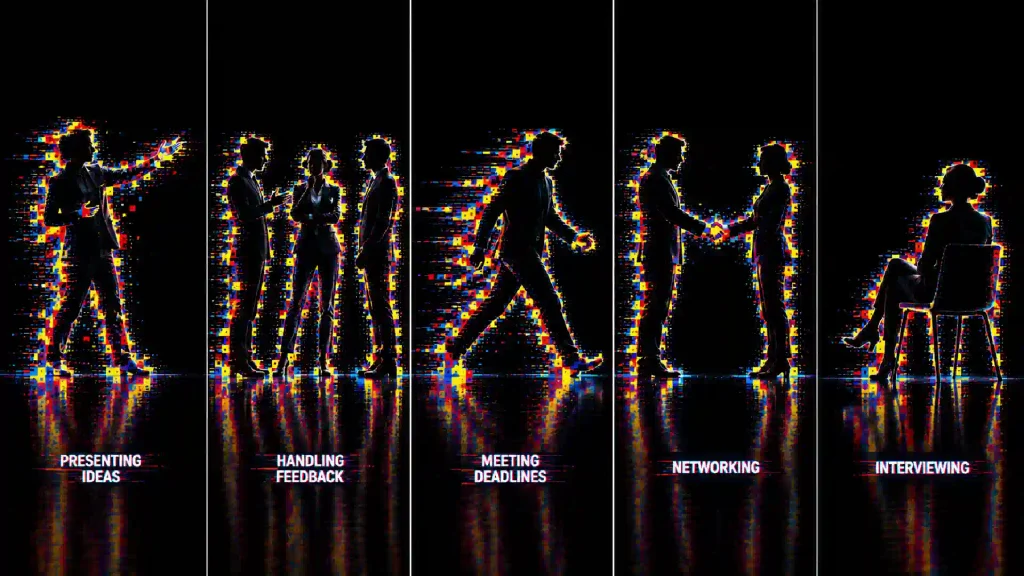
A few everyday situations make this clear:
- Presenting ideas: A strong concept can fall flat if it isn’t explained well.
- Handling feedback: How you respond affects future opportunities.
- Meeting deadlines: Reliability builds trust in creative industries.
- Networking: Many opportunities come through referrals and relationships.
- Interviewing: A portfolio opens the door; the conversation often decides the outcome.
Personality development complements creative and technical skills rather than replacing them.
Real Situations Creative Professionals Face
Generic advice about “confidence” and “communication” only goes so far. Here’s what those skills look like in the moments that actually test them.
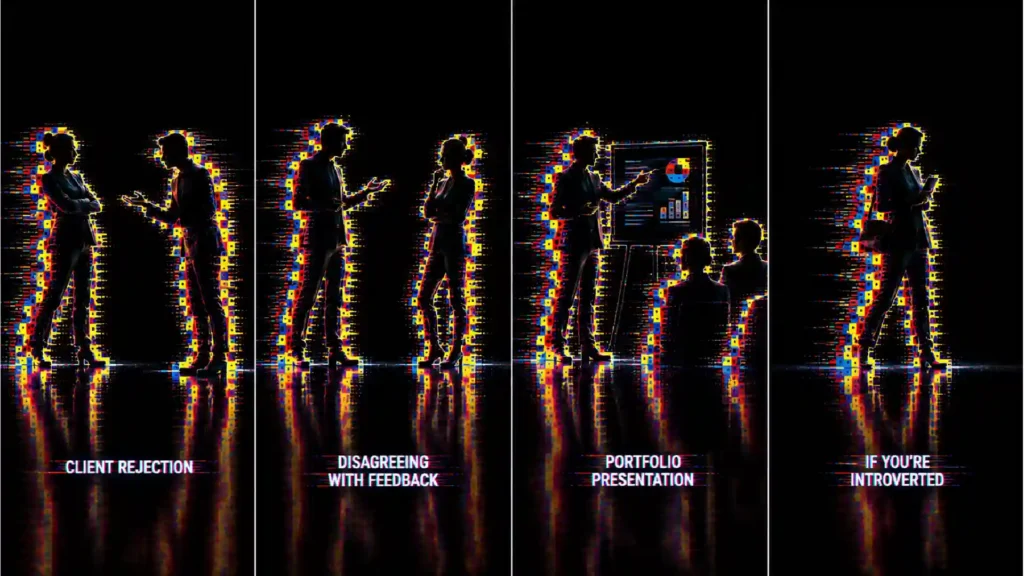
When a client rejects your idea. The instinct is to defend the work or take it personally. A more useful response is to separate the concept from the critique and ask what specifically isn’t landing before revising. A stylist whose mood board gets called “too edgy,” for instance, gains more by asking whether the concern is the styling or a mismatch with the client’s brand than by scrapping the concept outright. One clarifying question tends to produce a stronger second draft than starting from scratch.
When you disagree with feedback. Disagreeing professionally isn’t about staying silent or caving immediately. It means stating your reasoning once, tied to the brief or audience, then being genuinely willing to be overruled. The goal is to be understood, not necessarily to win.
During a portfolio presentation. Talent shows in the work; personality shows in how you present it. Reviewers are usually less interested in narrating every piece than in why a few were chosen and what they reveal about your range and decision-making. A tighter, more selective walkthrough tends to read as more confident than a comprehensive one.
If you’re introverted. Personality development doesn’t require becoming the loudest person in the room. Many creative professionals build confidence through preparation rather than spontaneity: rehearsing how they’ll describe a project beforehand or leaning on written follow-ups rather than purely improvised pitching. Networking doesn’t require working a room either; a few genuine follow-up conversations after an event or crit often build more useful relationships than trying to meet everyone.
Key Personality Development Skills for Creative Professionals
- Communication Skills: The ability to explain ideas clearly, in speech, writing, or presentation. A designer who can articulate why a choice works is more persuasive than one who can only show it.
- Confidence: The ability to present your work without excessive hesitation. It doesn’t mean having every answer; it means being comfortable speaking about your work and open to questions.
- Presentation Skills: Structuring and delivering ideas so they’re easy to follow, whether pitching a shoot concept or walking a client through a brand deck.
- Adaptability: Creative industries shift quickly, and adapting means adjusting your approach without losing quality, such as reworking a look after last-minute client changes.
- Teamwork and Collaboration: Few creative projects happen alone. Collaboration means contributing your expertise while respecting contractors’, clients’, or crew members’ input.
- Time Management and Discipline: Creative work often has flexible schedules, which makes self-discipline essential, and meeting deadlines builds the reliability employers and clients notice.
- Problem-Solving: Creative careers involve constraints like limited budgets and tight timelines. Problem-solving means working within them without losing the work’s intent.
- Emotional Intelligence and Professionalism: The ability to manage your own reactions and understand others’ perspectives, especially during feedback. Paired with punctuality, it builds the trust that keeps clients coming back.
How Personality Development Helps in Different Creative Careers
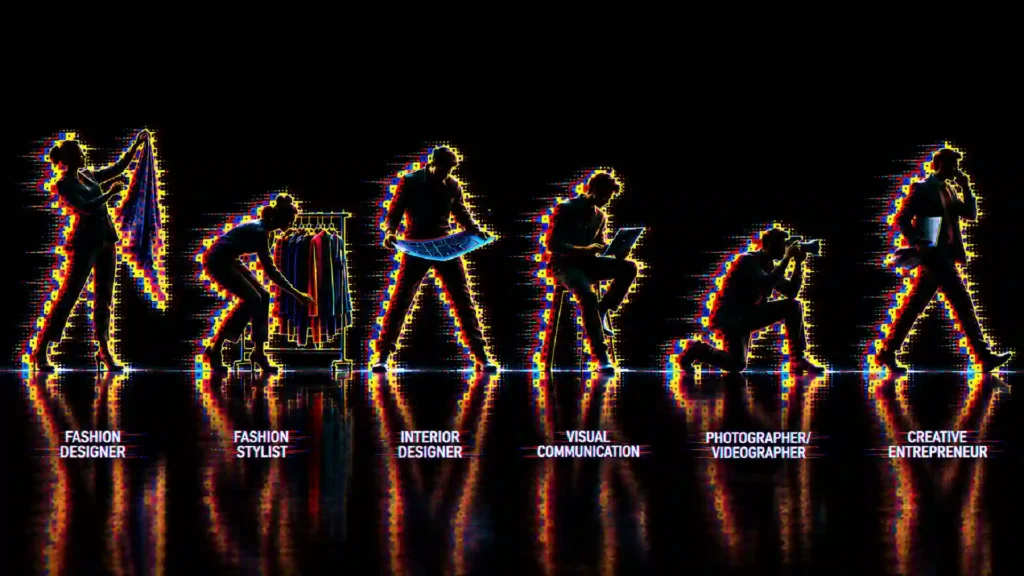
- Fashion designers rely on communication and confidence when presenting collections or negotiating with buyers. Telling the story behind a collection helps buyers see its value, and confidence helps them hold firm on pricing.
- Fashion stylists need adaptability to work with photographers and clients under tight shoot schedules. Last-minute changes are routine, so staying calm and flexible keeps the shoot on track.
- Interior designers depend on clear communication to translate a client’s vision while managing contractors. Turning vague ideas into precise instructions, backed by patience, keeps the project on budget and on schedule.
- Visual communication professionals (graphic design, video editing, animation, and VFX) use presentation skills to explain their creative choices to non-design clients. Explaining the thinking in plain language and staying open to feedback means fewer revisions and stronger results.
- Photographers and videographers need confidence and adaptability when directing subjects or adjusting to changing conditions. Building trust quickly brings out natural expressions, and quick thinking handles changing light, weather, and schedules on any shoot.
- Creative entrepreneurs draw on most of these skills together to manage clients and output at once. Pitching, leading a team, and delivering work in the same day calls for strong time management and resilience.
Personality development works alongside skill and experience in every field.
How Can Students Improve Personality Development?
Personality development builds gradually through consistent practice rather than a single course or workshop. A few practical habits to start with:
- Practice communication daily: explain your ideas out loud, not just on paper.
- Present your work regularly, even informally, to classmates or family.
- Take part in group projects; collaboration improves with practice.
- Learn to accept feedback; treat critique as information, not criticism.
- Build confidence gradually, through small, repeated chances to speak up.
- Practice active listening as part of communicating well.
- Rehearse interview situations with a mentor, teacher, or peer.
- Attend workshops and industry events for professional exposure.
- Work on etiquette: punctuality, follow-ups, respectful communication.
- Reflect after each presentation on what worked and what to adjust.
Personality Development and Career Readiness
Career readiness in creative fields depends on more than a finished portfolio. Personality development affects how you perform in interviews, how you handle your first internship, and how comfortably you network at industry events. It also shapes how you’re perceived in team projects and early client meetings.
This isn’t just an impression employers happen to have. A 2021 report on the future of jobs in design, fashion, and media in India, from KPMG in India, Pearl Academy, FICCI, and FDCI, found the sector needs upskilling in soft skills alongside technical ones (Future of Jobs in Design, Fashion and Contemporary Media, 2021). A similar pattern shows internationally: the UK’s most recent employer skills survey tracks soft and people skills as their own category of skills gap in the creative industries (DCMS/DfE Employer Skills Survey, 2022). Technical and creative skills can help get your work noticed; personality development helps build the relationships that support long-term career growth.
How Creative Education Can Support Personality Development
A well-rounded creative education does more than teach technical skills. Structured critiques, group assignments, and portfolio reviews create natural opportunities to build communication and collaboration skills alongside technical training.
Project-based learning mirrors real workplace situations, where students explain their thinking, respond to feedback, and coordinate with peers under deadlines: the same skills that matter with actual clients and employers.
At Le Mark Institute, which has run design, media, and management programs across its Mumbai campuses for over two decades, students take part in jury presentations, portfolio-development mentoring, and industry seminars, including an annual fashion and jewellery showcase where graduating students present finished work to a panel of judges and industry guests, an event the Society of Dyers and Colourists has covered as a recurring institute fixture (SDC coverage of Marquee). That gives students regular, structured practice defending their work in front of others rather than treating that practice as a separate add-on to technical training.
Quick Takeaways

- Personality development complements technical and creative skills; it doesn’t replace them.
- Communication helps you explain and defend creative ideas.
- Confidence supports portfolio reviews, pitches, and interviews.
- Adaptability matters in fast-changing creative industries.
- Teamwork is essential in most creative work environments.
- Professionalism builds trust with clients, employers, and collaborators.
- Personality development is an ongoing, practice-based process, not a one-time fix.
FAQs
Personality development is the ongoing process of building qualities like confidence, communication, emotional awareness, and professional behaviour. It doesn’t mean changing who you are; it means strengthening how you present yourself and handle professional situations, which is especially useful in client-facing creative careers.
Creative careers involve presenting ideas and collaborating with teams and clients, not just producing creative work. Personality development helps professionals communicate clearly, handle feedback constructively, and build the working relationships that support long-term opportunities.
Key skills include communication, confidence, presentation ability, adaptability, teamwork, time management, problem-solving, and emotional intelligence. Together, they help creative students explain their work, collaborate effectively, and handle interviews and client meetings with more confidence.
Students can improve personality development through consistent practice: presenting ideas regularly, joining group projects, seeking and accepting feedback, rehearsing interview situations, and reflecting after meetings or presentations. Small, repeated efforts build these skills more effectively than occasional practice.
Interviews assess more than a portfolio; they evaluate how clearly you communicate and how comfortable you seem discussing your work. Personality development builds the confidence and communication skills needed to present yourself professionally during these conversations.
Personality development can support career growth by improving how professionals communicate, collaborate, and handle workplace situations, which often influences opportunities for bigger projects or client trust. It works alongside technical skill and experience rather than guaranteeing outcomes on its own.
Communication skills help creative professionals explain their ideas and respond clearly to feedback from clients or teams. Strong communication often determines whether a good idea is understood and approved, making it one of the most practical personality development skills in creative work.
Conclusion
Creative talent gets your work made. Personality development can help that work get seen, understood, and valued through clear communication, steady confidence, and professional collaboration. Strong creative skills open doors; strong personality development skills help you make the most of what’s on the other side.
If you’re planning a career in fashion styling, interior design, photography and visual communication building both your technical skills and your professional confidence can give you a stronger foundation. Explore the creative career programs at Le Mark Institute to see how creative education and professional development can work together as you prepare for the industry.