
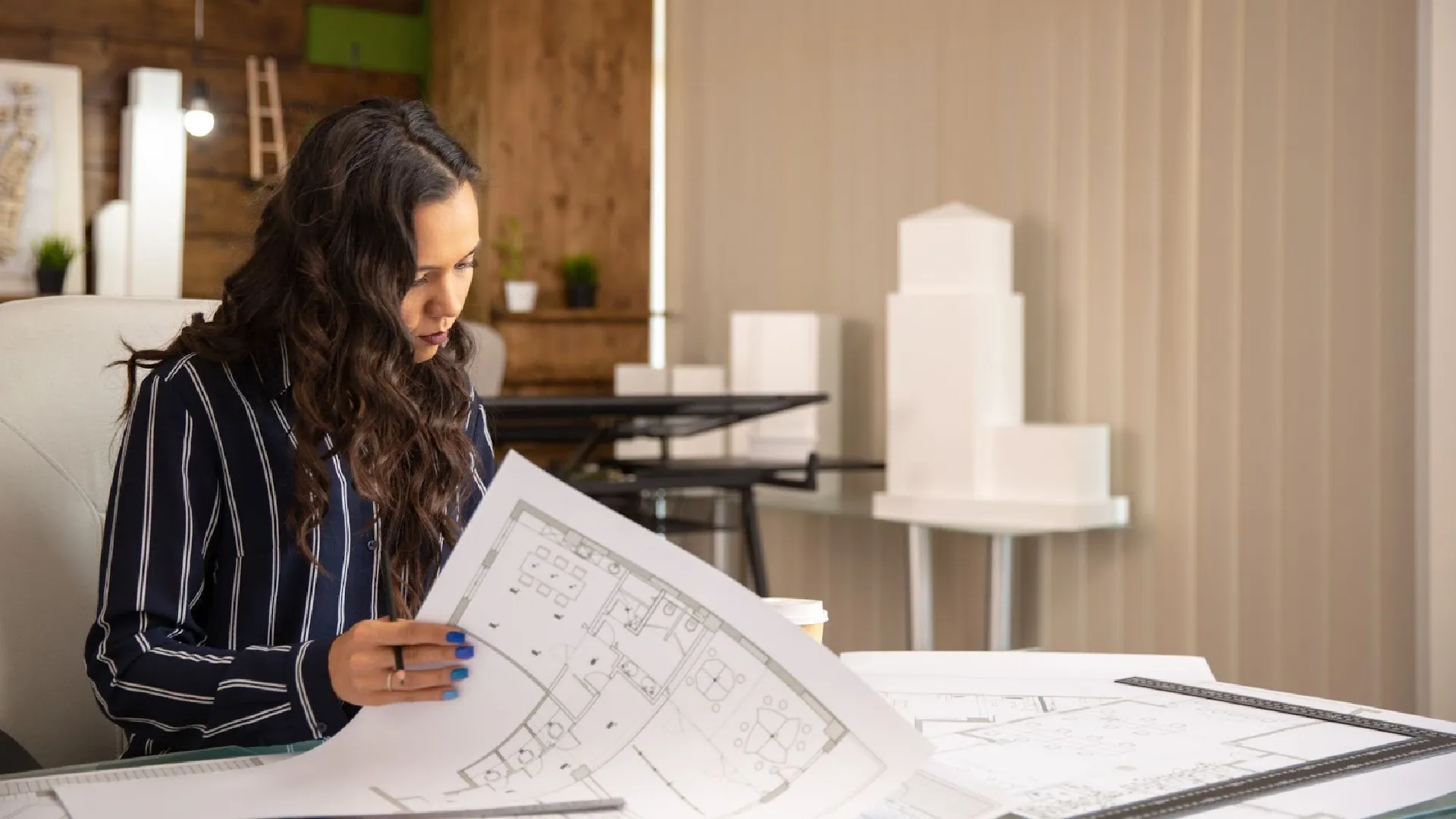
Interior design is considered a strong career option in India, especially for individuals who can combine creativity with technical skills. It offers a balance of artistic expression and practical problem-solving. Interior designers create spaces that are visually appealing, functional, and efficient.
The growing popularity of interior design is driven by rapid urbanization and higher lifestyle standards. Demand for thoughtfully designed spaces is also increasing across India. As more apartments, offices, cafés, and retail stores are developed, people are investing more in interiors. They want spaces that reflect comfort, functionality, and personal style.
Today, interior design is no longer limited to aesthetics alone. The field now combines creativity, technology, and user experience to create better living and working environments. For individuals who enjoy designing spaces and solving real-world challenges creatively, interior design offers strong career potential and long-term growth opportunities in India.
Explore Le Mark Institute’s B.Sc. in Interior Design program.
What’s the scope of interior design in India?
The scope of interior design in India is expanding rapidly due to multiple lifestyle and economic factors that are reshaping how people perceive and use spaces. With increasing urbanization, there has been a significant rise in construction projects across cities, leading to a higher demand for skilled interior designers.
At the same time, the growing middle class is spending more on home interiors. People are focusing not only on functionality but also on aesthetics and comfort. In addition, the rise of luxury housing, co-working spaces, retail environments, and modern cafés has increased the demand for professional design services. Moreover, the integration of technology, such as smart homes, automation, and advanced visualization tools like AR and VR, has transformed interior design into a more dynamic and tech-driven field.
As a result, the interior design industry is no longer limited to residential projects. Instead, it is expanding across multiple sectors. Today, designers work on a wide range of spaces, including homes and apartments, commercial offices and malls, and hospitality spaces like hotels and cafés, as well as healthcare and educational environments..
See how interior design is taught through practical learning.
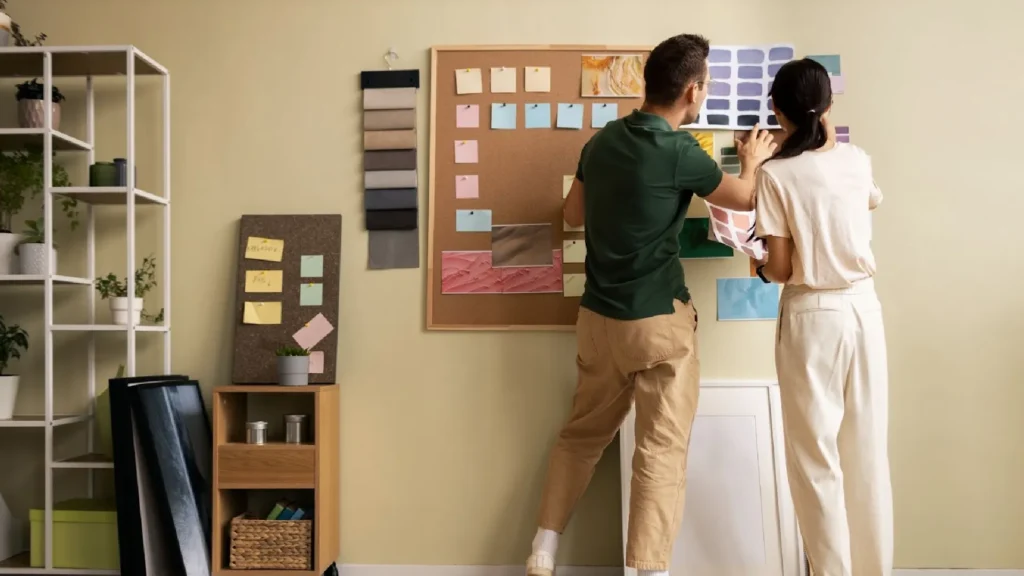
Career Paths You Can Choose: Opportunities for Growth
Residential Interior Designer – Focuses on designing homes, apartments, and living spaces by selecting layouts, furniture, and décor to match client lifestyles.
Commercial Designer – Works on offices, malls, restaurants, and retail spaces, ensuring both functionality and customer experience are well-designed.
Furniture Designer – Designs custom furniture pieces that enhance both usability and aesthetics within a space.
Set Designer (Films/Events) – Creates visually impactful sets for movies, TV shows, and events to match themes and storytelling.
Exhibition & Retail Designer – Designs exhibition stalls, showrooms, and retail displays to attract customers and improve brand presentation.
Freelance Designer / Studio Owner – Works independently or runs a design studio, choosing projects and clients while building a personal brand.
Get clarity on career options in a demo session.
Interior Designer Pay in India: Salary Trends & Growth
| Experience Level | Monthly Salary | Annual Salary (LPA) | Additional Insight |
| Freshers (0–3 years) | ₹12,000 – ₹28,000 | ₹1.8 – ₹3.5 | Entry-level roles focus on learning, assisting seniors, and building a portfolio. |
| Mid-Level (3–5 years) | ₹40,000 – ₹70,000 | ₹5 – ₹8 | Salary increases with experience, specialization, and strong project portfolio. |
| Experienced (5+ years) | ₹1,00,000+ | ₹10 – ₹18+ | Senior designers handle projects independently and may lead teams or clients. |
| Top Designers / Freelancers | ₹1.5L – ₹4L+ | ₹20L – ₹50L+ | Earnings depend on brand value, clients, and high-end or luxury projects. |
*Salary data represents average outcomes based on internal student survey responses and may vary depending on individual performance, experience, and market conditions.
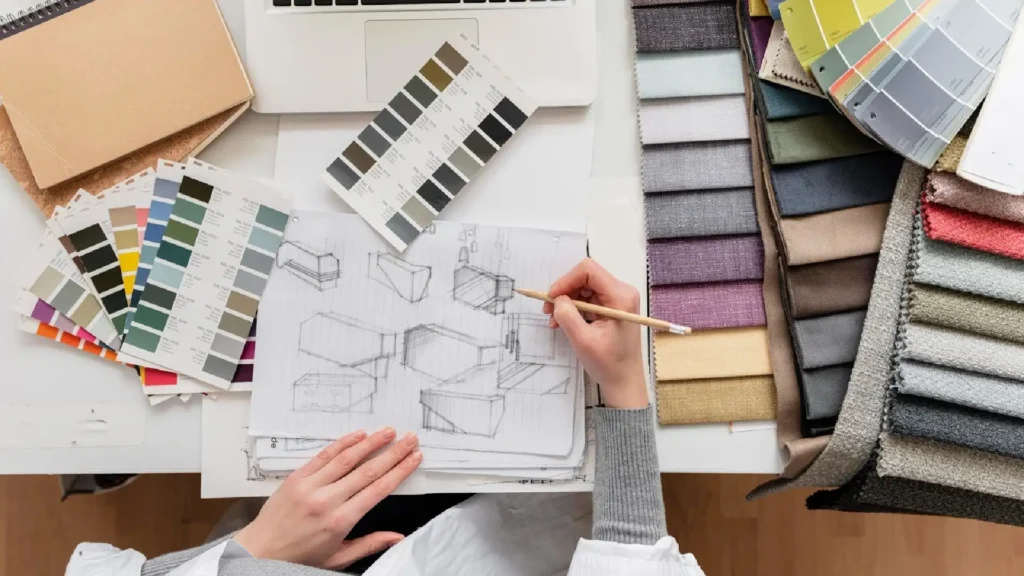
Essential Skills You Need to Succeed
Creativity & Design Thinking – In 2026, design is about creating emotional and experience-driven spaces, so creativity helps you design spaces that influence how people feel and live.
Software Skills (AutoCAD, SketchUp, Photoshop, 3D tools) – Advanced visualization tools are essential because clients now expect realistic 3D previews before execution.
Communication – Strong communication matters as designers must clearly explain ideas to clients, contractors, and teams to execute projects smoothly.
Space Planning – Efficient space planning is crucial in 2026 because modern homes and offices demand smart, functional use of limited space.
Material & Lighting Knowledge – Understanding materials and lighting is important as they directly impact durability, mood, and overall user experience of a space.
Start building a career with long-term growth potential.
Who Can Pursue a Career in Interior Design?
This are the sign’s if you’re:
Creative + practical – You can think of ideas and actually make them work in real spaces.
Enjoy designing spaces – You like arranging rooms, colors, furniture and making places look better.
Working with people – You’re okay talking to clients and understanding what they want.
This career is NOT for you if:
You want quick money – Growth is slow at the start and depends on your skills and experience.
You don’t like changes or feedback – Clients will ask for changes again and again, and you have to handle it.
Experience student life at Le Mark Institute before making a decision.
Final Conclusion
Interior design is not just about making spaces look good; it’s about creating experiences that people live in every day. Today, spaces are designed to influence how we feel, work, relax, and even connect with others, making interior design a powerful and meaningful profession. In 2026, design has evolved beyond simple aesthetics into something much deeper, combining functionality, emotion, and technology to shape modern lifestyles.
As cities grow and people invest more in better lifestyles, the demand for skilled designers continues to rise, making this career not only creative but also full of long-term opportunities.
In simple words, interior design is one of the few careers where you don’t just build a job, you create spaces that impact people’s everyday lives, making it both rewarding and future-proof.
Explore Le Mark Institute’s B.Sc. in Interior Design and start your creative journey.