Why Now Is the Right Time to Build a Career in Fashion, Design & Media
The creative industries are changing fast; new brands, digital-first campaigns, OTT content, and international collaborations mean more career paths than ever before. For students who love making things like garments, visuals, motion, or brand experiences, this is an encouraging moment: employers look for people who can combine craft, software fluency, and storytelling. This guide is written for prospective students, parents, and young professionals who want a clear, step-by-step view of how an institute can turn passion into paid work and how an individual can steer their learning to match employer needs.
Start with a quick snapshot: the market demand spans multiple roles: fashion designers, pattern-makers, textile developers, graphic and UI/UX designers, motion artists, content producers, and brand strategists. Each role has different entry points: some require technical craft (e.g., draping, textile sourcing), others require software and conceptual ability (e.g., branding, motion design). That variety makes planning both exciting and confusing, so we’ll map common pathways and the milestones that make students hireable.
You’ll learn what to look for in a course (project focus, industry mentors, live briefs), how to build a portfolio that gets interviews, which practical skills are non-negotiable, and how to use internships and competitions to get noticed. Along the way we’ll show real outcomes, sample student journeys, and placement patterns so you can see the route from classroom to first job or freelance project. The aim is practical: after reading this, a student should be able to draft a three-step plan (learn → make → show) that increases their chances of getting recruited or launching freelance work in the creative industries.
Explore how Le Mark Institute prepares students for today’s creative careers.
The Real Career Opportunities In Fashion, Design & Media
Before planning, it helps to see the landscape. Creative roles fall into broad categories but each contains many specialized jobs. Fashion-side roles include design, pattern making, garment construction, trend analysis, and merchandising. Product and textile roles focus on fabric sourcing, technical development, and surface design. On the communication side, graphic design feeds into branding, packaging, and UI; motion design and VFX open doors to advertising, film, and digital content studios. Media careers cover content creation, social strategy, production assistance, and editing roles that increasingly sit inside brands and studios as well as agencies.
Salary and freelance realities: entry salaries vary widely by role and city. Junior design or assistant roles in studios often start modestly, while in-house brand or tech roles pay higher once you have demonstrable skills. Freelancing is a viable path if you combine a portfolio with good client-facing skills; early freelance projects can out-earn junior salaries when priced correctly and if the student builds a reliable client pipeline. The key is to see income as a function of skill, reputation, and network, not just credentials.
How students should choose: match your interests to a role’s daily work. Enjoy sketching and exploring materials? Fashion design could be the right fit. Those drawn to storytelling through moving images may find motion or media more appealing. For students who love problem-solving and working with interfaces, UX or graphic design roles are worth exploring.
Use short internships and live projects to test the daily reality before committing to a path.
How The Right Curriculum Builds Careers, Not Just Certificates
Industry briefs and mentorship are critical. Institutes that partner with brands, studios, and agencies bring live problems into the classroom; students work on actual briefs (packaging redesigns, social campaigns, capsule collections) and receive feedback from client-side mentors. That feedback loop prepares students for the critique culture of studios and gives them portfolio pieces with real context. Mentorship matters not only for skill-building but also for network access: mentors recommend top students for internships and jobs.
Technical skills are obvious: garment construction, pattern making, Adobe Suite, CAD, 3D tools, video editing, and web basics. But soft skills are equally important: communication, time management, the ability to receive feedback, and collaboration. Employers often hire people who show professional behavior, eagerness to learn, and a collaborative attitude even when their technical skills are still developing.
Portfolio-first approach: teach students to document processes, not only final outcomes. A strong portfolio shows problem, process, iterations, and solution, employers want to see how a student thinks, not just the finished image. Make portfolios both visual (Behance/Dribbble/Instagram) and downloadable (PDF) with context lines, role descriptions, and clear contact info. For campus recruitment, a curated 6–8 project portfolio is better than 40 uncurated works. Portfolios should highlight teamwork where relevant and clearly list individual contributions for collaborative projects.
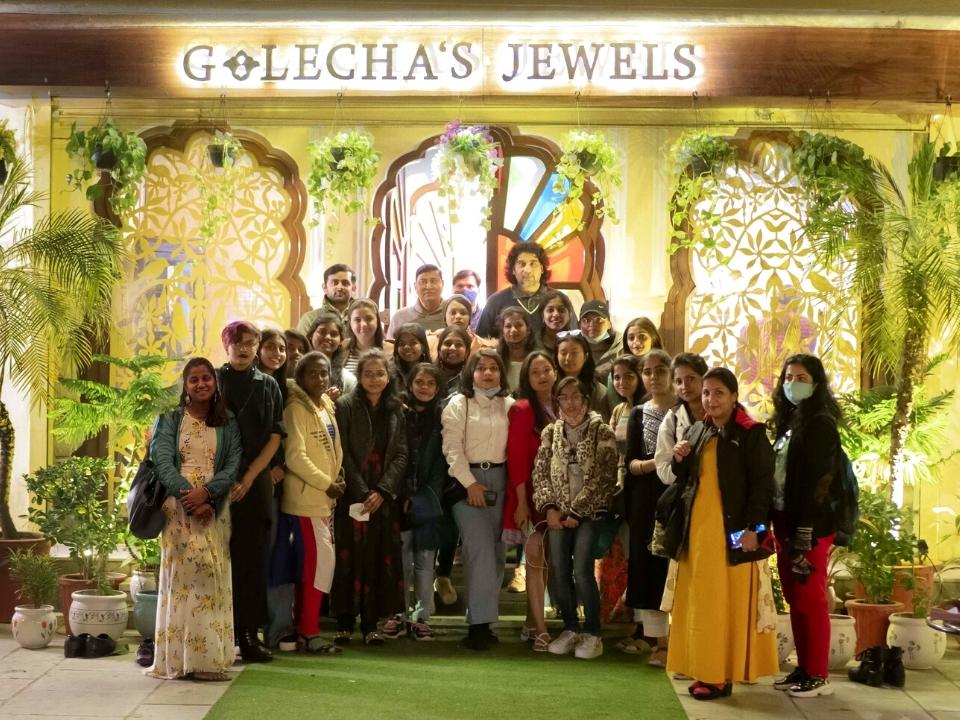
See how Le Mark Institute’s Student’s project-led approach aligns learning with industry needs.
Key Skills Students Need to Build Successful Creative Careers
Creative & Conceptual Thinking
This is the foundation of all creative careers. Students learn how to think beyond trends and create ideas with purpose.
- Understanding design concepts and visual language
- Developing original ideas instead of copying references
- Translating inspiration into practical outcomes
- Thinking from a brand, audience, or user perspective
Strong conceptual thinkers stand out because they can explain why a design works, not just how it looks.
Technical & Craft Skills
Creativity needs execution. Students are trained to convert ideas into professional-quality outputs using industry tools and techniques.
Depending on the specialization, this includes:
- Garment construction, draping, pattern making
- Drawing, illustration, layout, and composition
- Design software (Adobe Photoshop, Illustrator, InDesign, etc.)
- Video editing, motion graphics, basic 3D tools
- Photography, lighting, camera handling, and editing
These skills ensure students meet industry standards, not just academic requirements.
Portfolio & Presentation Skills
A degree gets attention; a portfolio gets the job. Students are guided on how to present their work effectively.
- Curating strong projects instead of showing everything
- Explaining design process, concept, and problem-solving
- Creating digital and physical portfolios
- Presenting work confidently during interviews
A good presentation shows professionalism and clarity of thought.
Communication & Collaboration Skills
Creative industries are team-driven. Students learn how to work with people from different backgrounds and roles.
- Communicating ideas clearly to clients and mentors
- Taking feedback positively and improving work
- Working in teams on live projects and shoots
- Managing deadlines and responsibilities
These skills often matter as much as technical talent during hiring.
Professional & Workplace Readiness
Beyond creativity, students are trained to behave like professionals.
- Understanding studio culture and work ethics
- Time management and discipline
- Handling pressure, revisions, and deadlines
- Basic client interaction and professional etiquette
This helps students transition smoothly from classroom to workplace.
Adaptability & Continuous Learning
Trends, tools, and platforms change constantly. Students are encouraged to stay curious and flexible.
- Learning new skills beyond the syllabus
- Keeping up with industry trends
- Experimenting with new styles and mediums
- Building confidence to reinvent themselves
Adaptability ensures long-term growth, not just first placements.

From Campus to Company: How Placements Actually Happen
A strong placement program is part systems work and part relationship management. The playbook begins months before the final year: curate student portfolios, run mock interviews, and invite industry for guest critiques. Invite recruiters to meet students early through portfolio-showcase events and live project presentations; early exposure reduces hiring risk for companies.
KPIs matter: track internship-to-hire conversion, average placement time, median starting package, and the percentage of graduates in relevant roles within 6–12 months. Transparent outcomes build trust with prospective students and families. For the institute, showcase top employers, student success stories, and measurable placement metrics (number of internships, conversion rates), employers and students pay attention to evidence.
Finally, keep placement support ongoing. Alumni networks help children of earlier cohorts find freelance work and mentorship. A placement office’s job doesn’t end when a student graduates; maintaining alumni relationships and sharing job leads strengthens the ecosystem for the next batch.
Learn how Le Mark Institute connects students with industry opportunities.
Common Questions Students Ask About Creative Careers
1. Do I need prior experience to start a creative career?
No, prior experience is not required to start a creative career. What matters most is your interest, creativity, and willingness to learn. Many successful professionals in fashion design, graphic design, and media started with no background and built skills through structured courses and practice.
2. Is a creative career stable in the long term?
Yes, a creative career can be stable and sustainable long-term. With continuous skill upgrades, adaptability to industry trends, and strong portfolios, creative professionals experience steady growth in fields like fashion designing, communication design, and digital media.
3. Is a portfolio more important than a degree in creative fields?
Yes, in creative industries, a strong portfolio is more important than a degree. Employers and clients focus on real-world projects, practical skills, and creativity rather than academic qualifications alone.
4. Can students earn while studying creative courses?
Yes, students can earn while studying creative courses through internships, freelance projects, part-time design work, and online platforms. Many fashion and design students begin earning before completing their course.
5. What companies hire creative students?
Creative students are hired by design studios, fashion brands, advertising agencies, media houses, startups, and digital platforms. Industries across India actively seek skilled creative professionals.
6. Is freelancing possible after completing a creative course?
Yes, freelancing is a popular career option after completing a creative course. With strong technical skills and a professional portfolio, students can work as freelance designers, illustrators, stylists, or content creators.
7. How long does placement usually take in creative careers?
Placement timelines vary, but many students secure internships during their course, which often convert into full-time jobs within a few months of completion, depending on skill level and portfolio quality.
8. Do marks matter in creative fields?
No, marks are not the primary factor in creative careers. Employers value skills, creativity, problem-solving ability, and professionalism more than academic scores.
9. Can students switch career paths later in creative fields?
Yes, creative careers offer high flexibility. Students can switch paths—from fashion designing to styling, graphic design to UI/UX, or media to digital marketing—by upgrading relevant skills.
10. How can parents support a creative career choice?
Parents can support creative careers by encouraging skill development, trusting the learning process, and understanding industry opportunities. With the right guidance, creative fields offer strong career growth and income potential.
Final Thoughts
Turning creativity into a sustainable career is a marathon, not a sprint. The most reliable path combines structured learning, repeated real-world practice, and active industry engagement. For students, the three-step tactical plan is simple: learn the craft (technical + conceptual), make projects that solve real problems, and show them where employers and clients can find them. For institutes, the commitment is to project-led curriculum, employer partnerships, and robust placement support.
The evidence from top institutes and career guides shows the same pattern: students who spend more time on live briefs, document processes, and build industry networks convert to paid work faster. Encourage students to keep iterating on their portfolios and to use internships strategically, as auditions rather than just short-term gigs. And finally, measure outcomes and publish them: transparency.