Love fashion but not sure about the future? You are not alone, and the good news is, there’s actually a very promising future waiting for you in fashion, especially in India. The fashion industry here is growing fast and becoming more diverse than ever, driven by expanding markets in ethnic, fusion, and modern styles; rising demand for sustainable and eco-friendly design; and new digital opportunities that go beyond traditional design work. India’s fashion sector offers multiple career routes, from fashion design and styling to merchandising, digital branding, and tech-integrated roles, meaning your love for fashion can turn into real career pathways with global relevance. With the right skills and strategy, you can thrive creatively and professionally in a future where fashion meets culture, technology, and business innovation.
The Importance of Fashion in Today’s World
Fashion matters now more than ever, not just as an art form or trend cycle, but as a major global economic force, a driver of cultural expression, a technology frontier, and a platform for sustainable innovation.
A Growing Global & Indian Market
Fashion isn’t a fading industry; it’s expanding. The apparel sector in India alone is expected to grow significantly over the next decade as consumer spending rises and the middle class expands, with strong projections for market value rising through 2032 and beyond. This growth reflects both traditional and modern fashion demand, including ethnic wear, fusion styles, and fast-evolving trends shaped by younger consumers.
Economic Importance
Fashion and apparel aren’t fringe sectors; they’re economic engines. Globally, the fashion industry is one of the largest employers and revenue generators in manufacturing, retail, design, and trade. Apparel and fashion businesses create millions of jobs, from designers and tailors to merchandisers and digital content creators, while contributing heavily to national GDP in countries like India.
Technology Is Reshaping Fashion
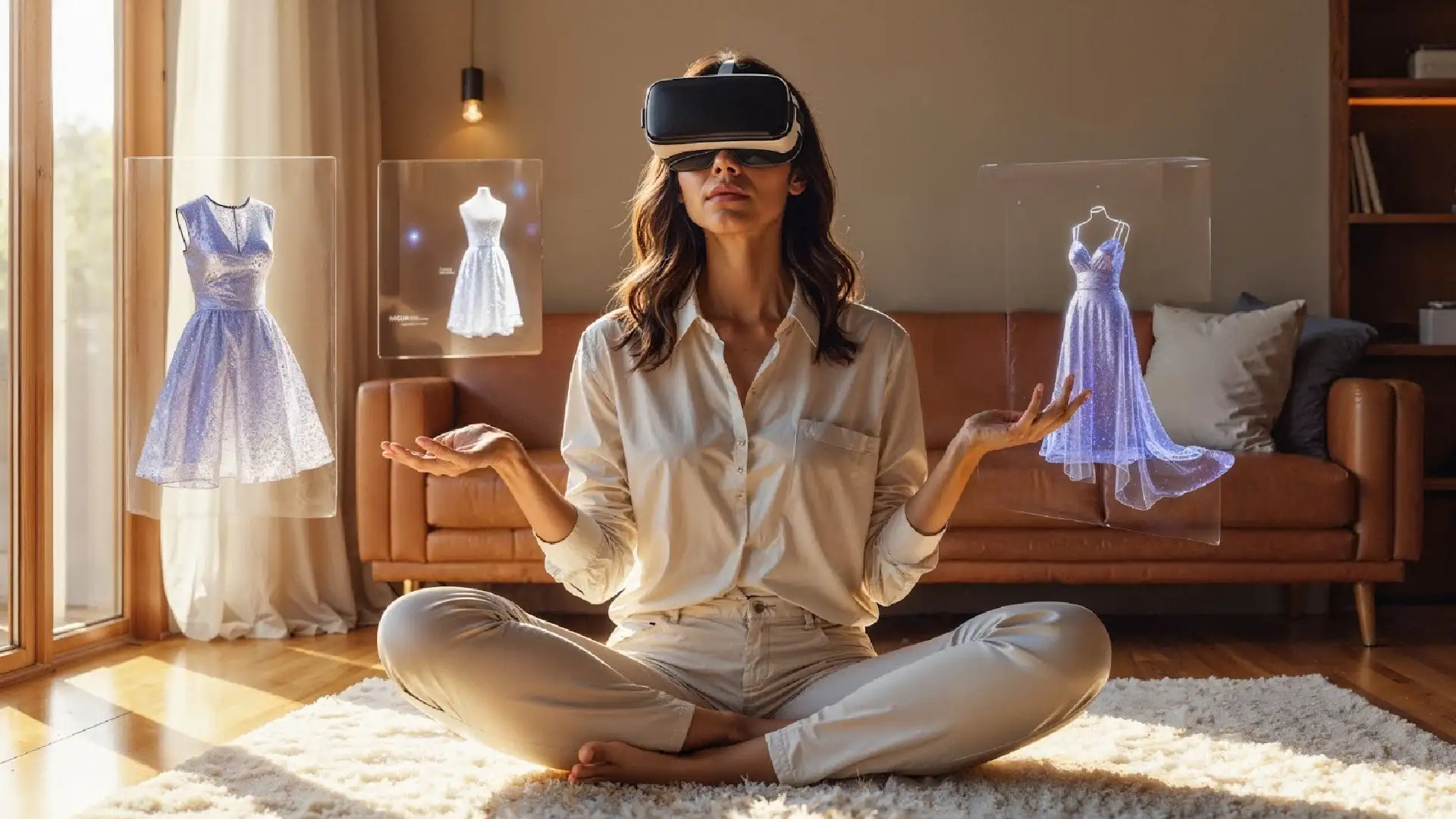
Fashion isn’t just about fabrics anymore; it’s intertwined with digital innovation. Emerging fields like digital fashion, virtual try-ons, 3D design, and AI-assisted tools are transforming how fashion is created, marketed, and experienced. These technologies help brands reduce waste, respond faster to trends, and even sell “virtual clothing” for online avatars and gaming worlds.
Sustainability & Social Impact
Fashion now carries purpose along with style. Consumers and brands are pushing for sustainable, ethical, and circular fashion practices, where clothing is designed to reduce waste, use eco-friendly materials, and support fair labour practices. What was once a niche idea is fast becoming mainstream, shaping the future of how clothes are made and valued.
Culture, Identity & Social Media
Fashion is a form of self-expression and identity. Social media platforms like Instagram and TikTok have become key drivers of trends and fashion communication, enabling designers and influencers of all sizes to connect directly with audiences. This democratization of fashion has given rise to new voices, micro-brands, and culturally diverse styles that matter to global youth.
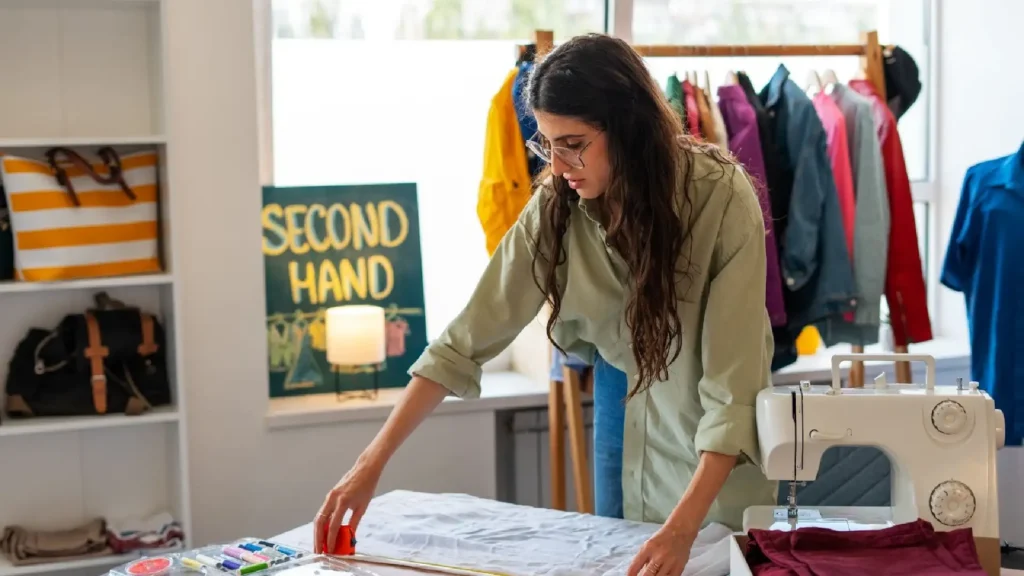
See how fashion concepts are taught practically.
Career Opportunities Beyond Fashion Designer
Fashion Designer (More Than Just Clothes)
While the classic fashion designer role is still core, it’s much more diverse than people think. Designers can work for high-end labels, mass-market brands, film & media productions, and even their own fashion labels. They don’t just sketch clothes; they research global trends, create collections for different seasons, choose fabrics, and often work with manufacturing teams to bring designs to life. Elite designers may rise to become creative directors or brand heads with significant influence over a brand’s visual identity.
Fashion Stylist & Image Consultant (Creating Visual Stories)
Stylists focus on how fashion is presented, whether in photoshoots, celebrity red carpet looks, advertising campaigns, or even personal wardrobes. A stylist curates outfits based on themes, branding, and personality, blending aesthetics with real-world style sense. Image consultants take this a step further by helping individuals or brands project a coherent visual identity across all platforms, from social media to professional appearances.
Textile & Surface Designer (Patterns, Prints, and Textures)
Textile designers create the materials behind fashion, patterns, prints, woven textures, and innovative fabric surfaces. This role is crucial in shaping how garments feel and appear and involves a mix of creativity and technical understanding of textiles. There’s growing demand for smart textiles (like fabrics that change color or texture) and eco-friendly prints that support sustainability.
Fashion Marketing, PR & Content Creation (Where Style Meets Storytelling)
Fashion marketing professionals help brands talk to their audience. They plan campaigns, manage social media content, handle public relations, and build brand visibility. Content creators and influencers with fashion expertise curate trends on platforms like Instagram or YouTube, often working with brands on paid campaigns. This fusion of branding and creativity is one of the fastest-growing segments of fashion careers.
Costume Designer (Fashion in Film, Theatre & TV)
Costume designers shape the look and feel of characters in movies, TV, theatre, and commercials. Unlike traditional fashion design, this role requires understanding storytelling, character development, and history, as costumes help actors embody different roles. It’s a creative, collaborative career with strong links to entertainment industries.
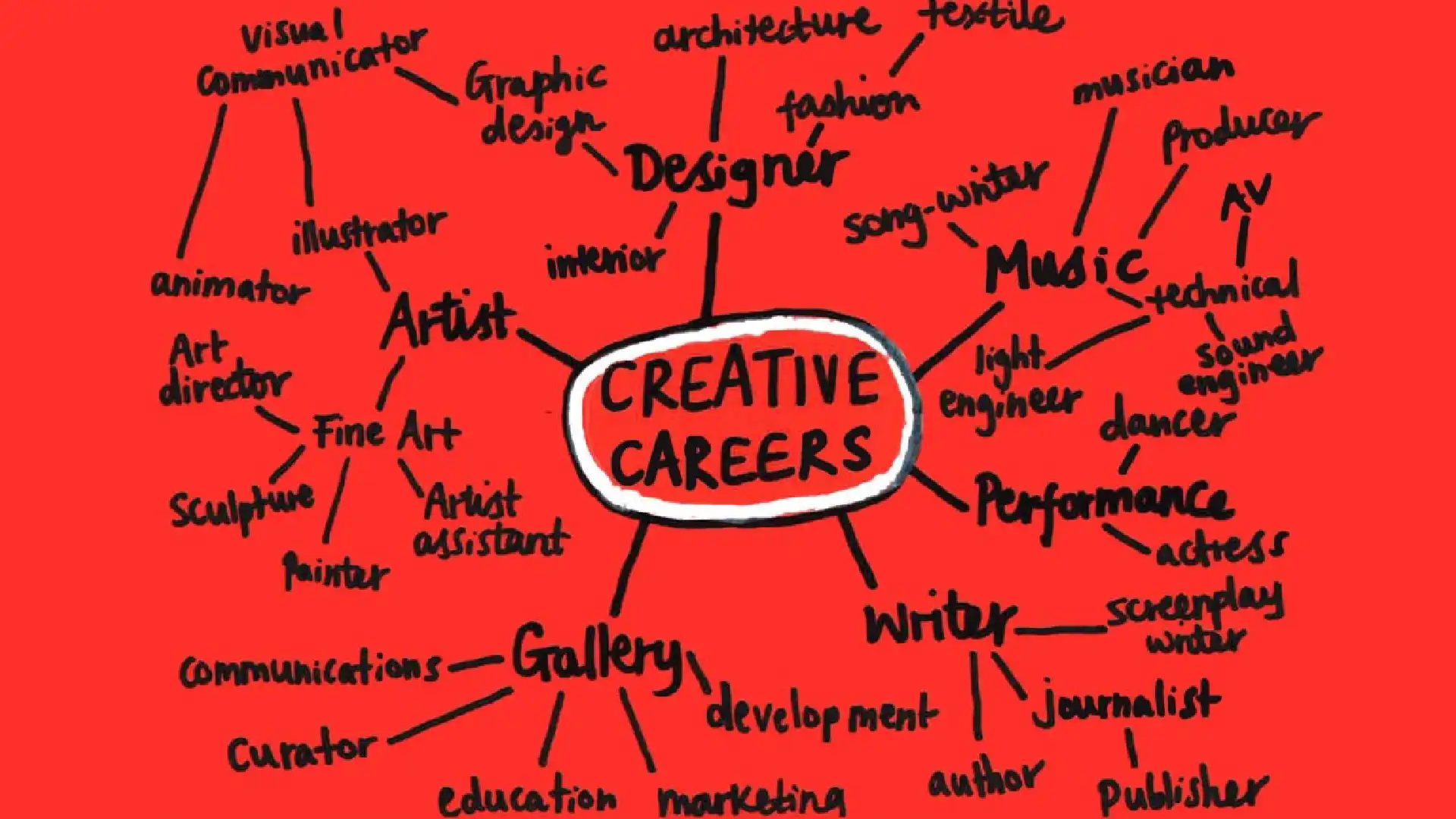
Fashion careers extend far beyond designing garments.
Discover diverse career paths through Le Mark Institute’s Fashion Design courses.
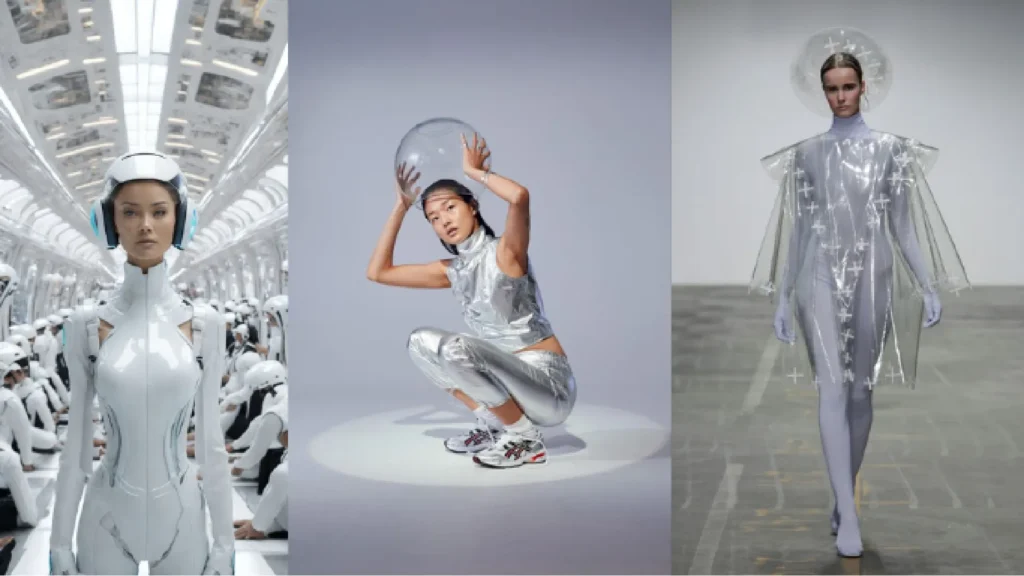
What Makes Fashion A Future-Ready Career
Strong Industry Growth & Market Demand
The fashion industry isn’t shrinking; it’s expanding rapidly. India’s fashion market continues to grow due to rising consumer spending, increased adoption of e-commerce, and strong retail demand across both traditional wear and contemporary fashion segments. India is also a major global textile and apparel exporter, which means fashion professions can connect you to both local and international markets
Technology Integration Is Reshaping Fashion
Fashion today is just as much about technology as it is about art. Tools like AI, 3D design software, digital pattern making, virtual try-on systems, and augmented reality (AR) are transforming how clothes are designed, manufactured, and sold.
- AI-Assisted Design & Forecasting: Brands use AI to analyze trends, generate design concepts, and even predict what products will sell best.
- 3D Digital Design: Designers can build virtual garments, reducing production costs and waste while speeding up development.
- Interactive Shopping Experiences: AR lets customers virtually try on clothes before buying them online.
Sustainability & Ethical Innovation Drive New Opportunities
With growing awareness of environmental impact, the fashion industry is shifting toward sustainable practices, including eco-friendly materials, ethical production, upcycling, and circular fashion systems.
This shift isn’t just a trend: consumers increasingly choose brands that champion sustainability, and companies are responding with dedicated sustainability teams, eco-design strategies, and transparent supply chains. That means growing roles in sustainability consulting, green fashion design, ethical sourcing, and environmental compliance, all future-centric careers in fashion.
Fashion Careers Are Diverse & Multi-Dimensional
Fashion is not just about designing clothes; it touches multiple industries and areas of expertise. The field now includes:
- Fashion Tech Specialists
- Digital Marketers & Influencers
- Fashion Data Analysts
- Sustainable Fashion Experts
- Virtual Fashion Designers
- Brand Strategists
- Merchandising & Retail Tech Professionals
This diversity means that whether you’re creative, analytical, tech-savvy, or business-oriented, there’s a place for you in fashion.
Digital Platforms & Social Media Have Democratized Fashion
Platforms like Instagram, YouTube, and TikTok have leveled the playing field for fashion professionals. You no longer need to be based in a fashion capital to find an audience; creators and brands can build followings worldwide.
This democratization has led to new roles such as:
- Fashion Influencers
- Content Creators
- Social Media Stylists
- Digital Brand Collaborators
These roles blend creativity with business and communication and often allow people to monetize their fashion passion directly through online platforms, a major shift from traditional fashion career paths.
Experience future-focused fashion education firsthand.
Fashion Career Salary and Growth Expectations
When you’re passionate about fashion, it’s important to understand not only what the jobs are like but what you can realistically earn and how that can change over time. In fashion, earnings often start modestly, especially at entry level, but can grow significantly with experience, skill, reputation, and specialization.
Starting Out: Entry-Level Salaries
At the beginning of your fashion career, whether as a junior designer, stylist assistant, merchandiser, or trainee, salaries tend to be modest. Fresh graduates often start in supporting roles where the focus is on learning industry workflows and building a portfolio.
- Entry-level salaries for fashion designers in India typically range from ₹15,000 – ₹30,000 per month (around ₹1.8–3.6 LPA).
- Some internships or training programs may pay even lower initially but offer experience and networking that boost future pay.
This is normal across most creative industries; early roles are about getting experience and industry exposure before income grows.
Growing With Experience: Mid-Level Salaries
Once you’ve gained a few years of experience and built a stronger portfolio, you begin to move into higher responsibility roles. At this stage, your salary reflects both your creative expertise and your value-added skills:
- Mid-level fashion designers often earn approximately ₹40,000 – ₹75,000 per month (about ₹5–9 LPA).
- Other roles like merchandisers can earn roughly ₹3–12 LPA as they manage product lines and pricing strategies for brands.
- Stylists and marketing specialists might also fall into similar ranges, especially if working with well-known brands or on commercial projects.
At this stage, creatives often take on lead design work, team coordination, freelance projects, or higher-responsibility tasks, which helps earnings rise.
Senior Roles & Leadership: High Earning Potential
With significant experience (6–10+ years), strong portfolios, or leadership roles, fashion professionals can earn much higher salaries, especially in bigger cities or for major brands:
| Role / Level | Typical Experience | Average Salary Range | Notes |
| Senior Designer / Creative Lead | 8–12 years | ₹8 LPA – ₹20+ LPA | Earnings vary based on brand reputation, portfolio strength, and leadership scope |
| Creative Director / Head of Design | 12–18+ years | ₹20 LPA – ₹30+ LPA | Often responsible for brand vision, large teams, and major fashion collections |
| Top Management & Design Leadership (Fashion Houses) | 15+ years | ₹19 LPA – ₹23 LPA | Common in premium brands and export houses in metro cities |
| High-Performing Creative Leaders | 15+ years | ₹30+ LPA | Exceptional performers with global exposure or award-winning work |
| Independent Design Consultants / Studio Founders* | 10+ years | ₹15 LPA – ₹40+ LPA | Income depends on client base, international projects, and brand collaborations |
| Fashion Leaders in Luxury & Global Brands | 12+ years | ₹25 LPA – ₹35+ LPA | Higher compensation driven by international markets and premium positioning |
These higher figures reflect leadership, market knowledge, brand reputation, and industry demand all of which grow as you build your career.
At first, fashion pay might seem modest but it grows significantly as you gain experience, define your niche, and build industry-relevant skills. Roles in design, merchandising, marketing, and digital fashion all have paths to well-paid senior or entrepreneurial careers, especially in a large and growing market like India.
Your Action Plan: If You Love Fashion
Here’s how to turn your passion into something real:
🎓 Step 1: Build Your Foundation
Take courses in fashion design, digital tools, or fashion marketing to understand fabrics, silhouettes, trends, and the business side of fashion. A strong academic foundation helps you develop both creative thinking and technical accuracy from the start.
Le Mark Institute offers industry-aligned courses in fashion design that build strong creative and technical foundations.
Explore our Fashion Design programs
📁 Step 2: Create a Portfolio
A well-curated portfolio showcases your design thinking, concept development, and execution skills. It should reflect originality, versatility, and your understanding of current fashion trends—making it your strongest tool during internships and job interviews.
At Le Mark Institute, students receive guided portfolio development with regular reviews and industry-oriented briefs.
See how our students build job-ready portfolios
👩💼 Step 3: Intern & Network
Internships, fashion weeks (such as India Runway Week), live projects, and industry collaborations expose you to real-world workflows. Networking with designers, stylists, and brand teams can open doors to long-term career opportunities.
Le Mark Institute facilitates internships, live projects, and industry interactions to help students gain practical exposure.
Discover our industry connect initiatives
📱 Step 4: Stay Updated
Fashion is constantly evolving with new trends, technologies, and sustainability practices. Staying updated ensures your skills remain relevant and future-ready in a highly competitive industry.
Through workshops, trend studies, and updated curricula, Le Mark Institute helps students stay aligned with the future of fashion.
Learn how we keep our curriculum future-focused
Final Thoughts
Fashion is not a single career, it’s an industry of opportunities. Whether you see yourself as a designer, stylist, entrepreneur, or strategist, a fashion design degree opens doors across creative and commercial spaces.
The key is choosing the right education, one that balances creativity with industry insight and practical experience.
If fashion excites you and you’re ready to turn passion into a profession, the journey doesn’t end with a degree, it begins there.
Explore your potential. Build your skills. Design your future.
Ready to turn your love for fashion into a future-ready career?