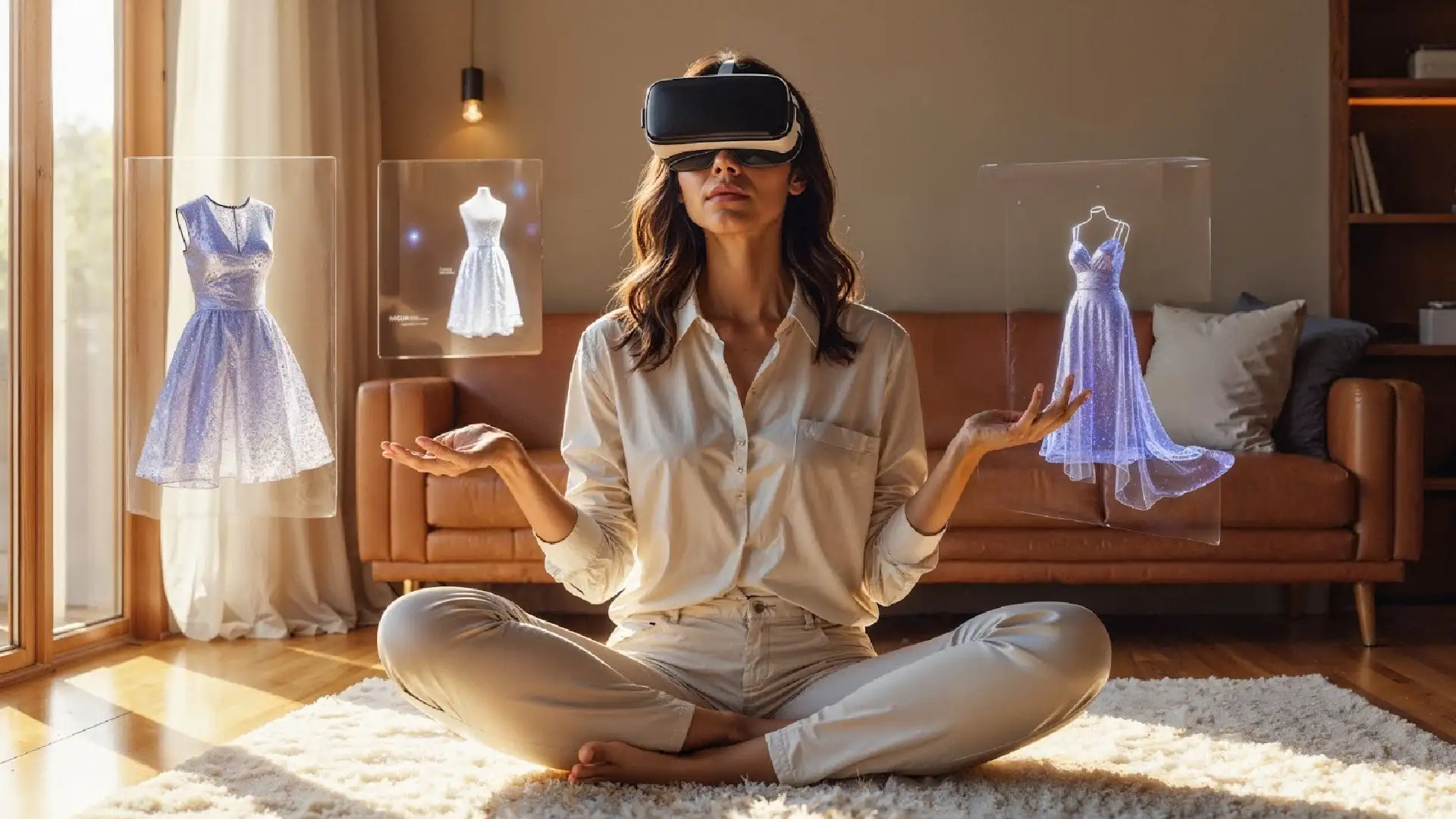
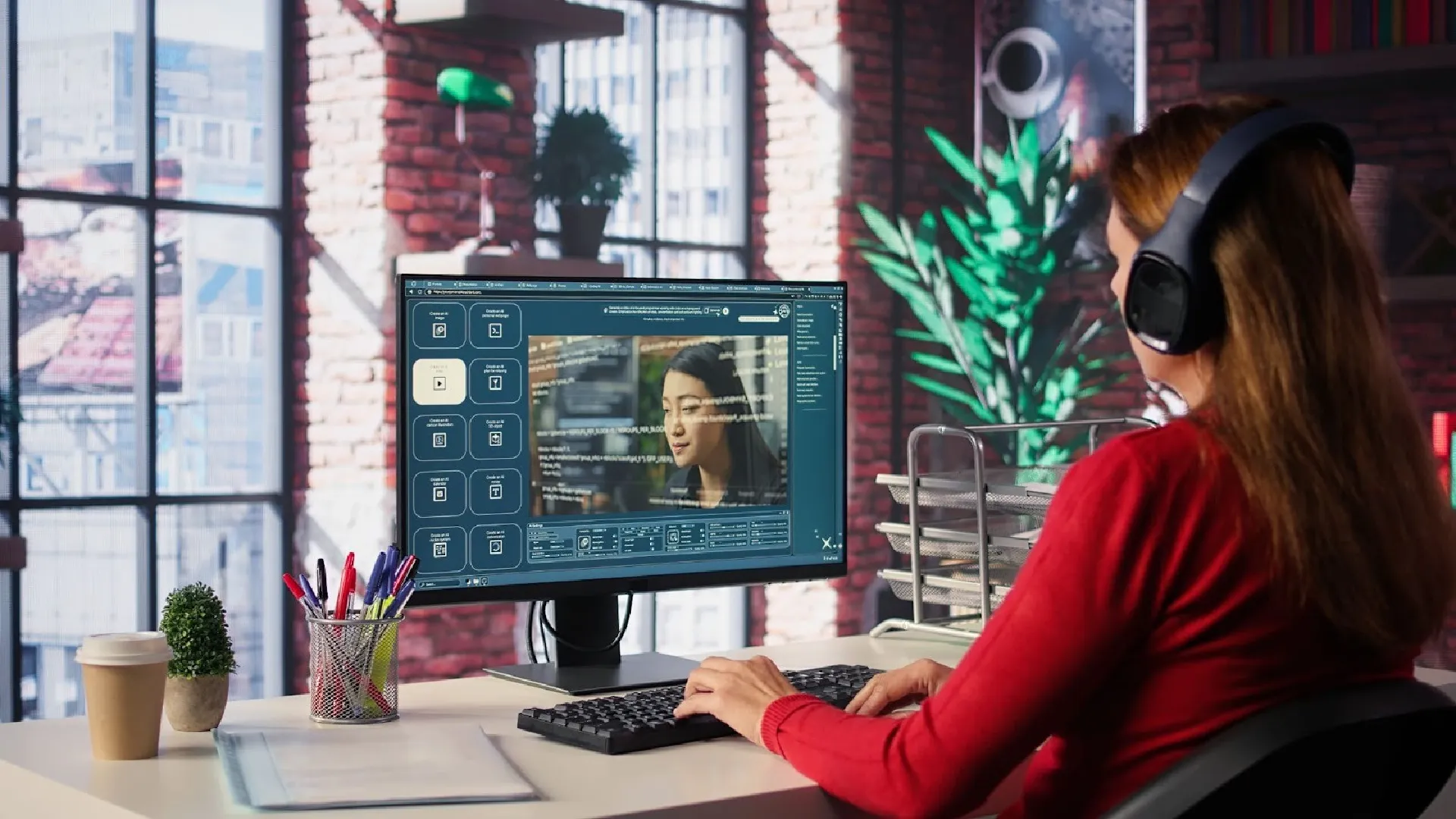
From movies and advertisements to gaming and social media, animation and visual communication are shaping how we experience stories every single day.
We live in a world where visuals, stories, and digital content reach people almost instantly. Animation is no longer limited to cartoons or movies, it has grown into a powerful tool used across many industries. From entertainment and education to advertising, digital learning, and even science, animation is everywhere. This rapid growth has made animation one of the most exciting and future-ready career options for students who want to build a creative career that matches how content is consumed in today’s digital age.
But what does the industry really want from new talent? If you’re a student dreaming of creating magic on screens, understanding the skills, creativity, and mindset the industry values can help you stand out from the crowd
1. What Is Animation and Visual Communication in the Creative Industry?
Animation and visual communication are both about sharing ideas in a visual way that people can easily understand and feel connected to. Animation is not limited to cartoons or kids’ content, it is used to bring ideas to life through movement. When images move, they feel more real, emotional, and engaging. This is why animation is used in movies, videos, ads, explainer videos, games, and even educational content. It helps show actions, emotions, and stories that cannot be explained easily with words alone.
Visual communication, on the other hand, is about how information is shown. It focuses on design elements like layout, colours, typography, images, and symbols so that a message looks clear and attractive. Good visual communication helps people understand something quickly without feeling confused. For example, a poster, logo, social media post, or website layout all use visual communication to guide the viewer’s attention and explain ideas simply.
When animation and visual communication come together, they become very powerful. One adds movement and emotion, and the other adds clarity and structure. That is why they are used together in films, advertisements, social media content, games, branding, apps, and digital platforms. In simple words, animation helps visuals feel alive, and visual communication helps ideas make sense. Together, they turn information into stories that people enjoy watching and remembering.
2. Why Animation & Visual Communication Are in High Demand Today
Students naturally spend a lot of time watching, scrolling, and interacting with visual content, which is why animation and visual communication feel so familiar and exciting to them. Instead of long texts, people now prefer images, videos, and animations because they are quicker and easier to understand.
Our attention span has also become shorter. People decide within seconds whether they want to watch or skip something. This is where animation and visual communication become very powerful. A moving visual, a clear design, or a short animated video can explain an idea much faster than long paragraphs of text. Because of this, companies, brands, educators, and digital platforms depend heavily on visual content to connect with people.
That is why animation and visual communication are no longer small or limited career options. They have become important parts of many industries like entertainment, advertising, education, gaming, social media, and digital marketing. As these industries continue to grow, the need for skilled creative professionals also increases. Students who can communicate ideas visually, tell stories through animation, and design content that people enjoy watching will always be in demand.
Experience how animation and design are taught in real classrooms through a demo session:
3. What the Industry Values More Than Academic Marks
The animation and visual communication industry values creativity, technical knowledge, and storytelling ability above everything else.
Here’s what top studios and creative agencies are looking for:
- Strong Visualization Skills: The ability to imagine and conceptualize ideas visually.
- Software Proficiency: Master tools like Adobe Creative Suite, Blender, Maya, or After Effects.
- Storytelling & Narrative Skills: Every animation needs emotion and meaning behind it.
- Teamwork & Communication: Projects are collaborative; being able to work in teams is crucial.
- Adaptability: Trends and technology evolve fast, so keep learning new techniques.
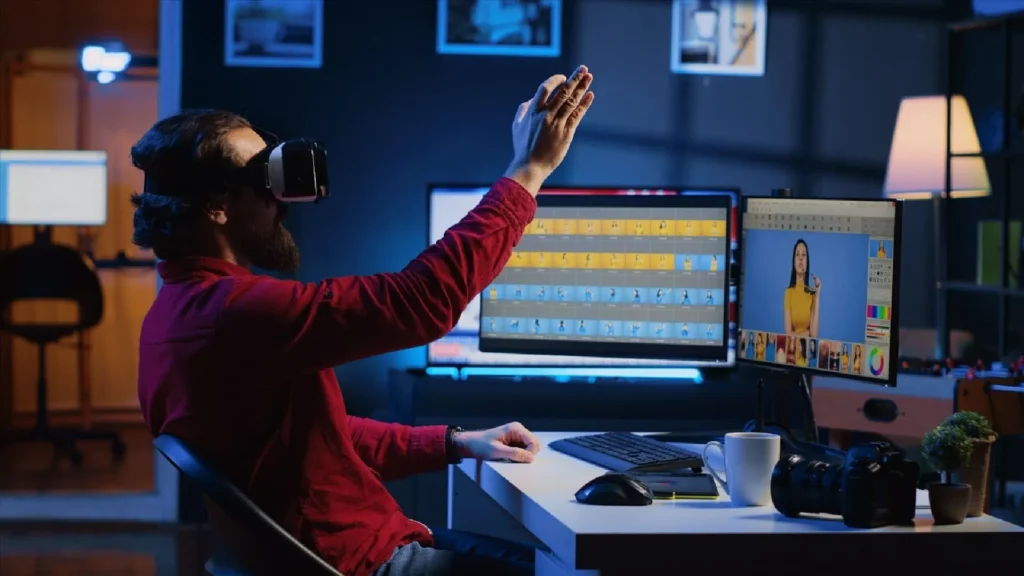
4. Career Opportunities in Animation & Visual Communication
The world of animation and visual communication is full of exciting opportunities! Whether you love designing, storytelling, or working with technology, there’s something for every creative mind. Let’s explore the most popular career options and what you can earn as you grow in your career.
1. 2D / 3D Animator
As an animator, you bring characters, environments, and stories to life using movement. You could be working on animated movies, cartoons, explainer videos, or even video games.
From creating a walking cat to a flying dragon, it’s your imagination that turns still drawings into living, breathing moments!
Where you can work:
Animation studios, gaming companies, ad agencies, or production houses.
2. Motion Graphics Designer
Motion graphic designers mix animation + graphic design to create eye-catching visuals for social media, ads, and films. You’ve probably seen cool logo animations or dynamic YouTube intros, that’s their magic!
Where you can work:
Digital marketing agencies, news channels, entertainment companies, or freelance for brands.
3. Visual Designer
A visual designer focuses on the look and feel of everything people see, from websites and social media posts to posters and product packaging. You’ll use your creativity to make visuals that attract attention and deliver the right message.
Where you can work:
Branding agencies, startups, fashion or media companies.
4. Character Designer
If you love sketching and storytelling, this one’s for you! Character designers create unique and memorable characters for films, animations, and games. They decide everything, from facial expressions to costumes and colors.
Where you can work:
Animation studios, gaming companies, film production houses.
5. Storyboard Artist
Storyboard artists plan out scenes before they’re made into animations or films. Think of it like a comic strip that helps directors visualize how a story will flow. You’ll sketch scenes, camera angles, and character actions, it’s where storytelling begins!
Where you can work:
Film production houses, ad agencies, animation and gaming studios.
6. VFX Artist (Visual Effects Artist)
VFX artists add magic to movies and shows, explosions, fantasy creatures, cityscapes, and effects that look so real, you can’t tell what’s computer-generated! It’s a perfect mix of creativity and tech skills.
Where you can work:
Film and TV studios, OTT platforms, game development, or ad production companies.
5. Salary and Growth in Animation & Visual Communication
| Career Level | Estimated Monthly Salary | Role & Growth Overview |
| Beginner Level | ₹15,000 – ₹25,000 | •Intern or junior role •Learn tools and workflows •Build basic portfolio |
| Skilled Professional Level | ₹40,000 – ₹80,000 | • Handle projects independently • Improved creativity and execution • Stable income growth |
| Experienced & Specialised Level | ₹1,00,000+ | • Specialise in animation, motion graphics, UI/UX, or game art • Lead complex projects • High earning potential |
| Freelancing & International Projects | Variable / High | • Work with global clients • Flexible work options • Higher income opportunities |
| Career Growth Factor | Skill-Based | • Growth depends on skills and portfolio • Degrees are secondary |
Explore diverse career paths through practical animation and visual design training:
6. Industry Preparation: What Really Matters
Learning strong basics is the first and most important step. Before using advanced software or tools, students need to understand the basics like drawing, design sense, colours, composition, storytelling, and how visuals communicate ideas. Strong basics act like a foundation. When the foundation is clear, learning advanced skills becomes much easier and less confusing.
Practicing regularly helps students improve faster. Creativity grows with practice, not talent alone. When students practice daily, even for a short time, they slowly understand what works and what doesn’t. Regular practice builds confidence, improves speed, and helps students develop their own style.
Building a simple portfolio is how students show their learning. A portfolio does not need to be perfect or professional in the beginning. It simply shows what the student has learned, created, and explored. Even basic work, sketches, designs, or animations are valuable if they show effort and growth. A portfolio helps students track their progress and prepares them for future opportunities.
Taking feedback positively is a key skill in creative careers. In the industry, feedback is given to improve work, not to discourage students. When students learn to accept suggestions calmly and make changes, their work becomes stronger. This mindset helps them grow faster and prepares them for real workplace situations.
Gaining real world project exposure helps students understand how the industry actually works. Working on live projects, internships, or assignments teaches students about deadlines, teamwork, responsibility, and problem-solving. It also shows them how creative ideas are applied in real situations, not just classrooms.
Frequently Asked Questions About Creative Careers
1. Do I need prior experience to start a creative career?
No, prior experience is not required to start a creative career. What matters more is genuine interest, creativity, and a willingness to learn practical skills through training, practice, and real projects.
2. Is a creative career stable in the long term?
Yes, creative careers can be stable long-term. With continuous skill upgrades, adaptability to industry trends, and a strong portfolio, creative professionals can achieve steady growth and job security.
3. Is a portfolio more important than a degree in creative fields?
Yes, in creative fields a portfolio is often more important than a degree. Employers prioritize real work, practical skills, and problem-solving ability showcased through portfolios.
4. Can students earn while studying creative courses?
Yes, many students earn while studying through internships, freelance projects, part-time roles, and paid assignments related to their creative skills.
5. What companies hire creative students?
Creative students are hired by design studios, animation and media agencies, fashion brands, advertising agencies, startups, tech companies, and digital platforms.
6. Is freelancing possible after completing a creative course?
Yes, freelancing is a practical option after completing a creative course. Strong technical skills, a professional portfolio, and client communication abilities help build freelance careers.
7. How long does placement usually take after a creative course?
Placement timelines vary, but many students secure internships or entry-level roles within a few months. Internships often convert into full-time job opportunities.
8. Do marks matter in creative careers?
Marks matter less than skills in creative careers. Employers value creativity, technical expertise, work ethic, and professionalism more than academic scores.
9. Can students switch career paths later in creative fields?
Yes, creative careers offer flexibility. Skill-based learning allows students to switch roles or explore new creative domains as their interests evolve.
10. How can parents support a creative career choice?
Parents can support creative careers by encouraging skill development, trusting the learning process, and recognizing the long-term career opportunities in creative industries.
Still have questions about choosing a creative career?
Talk to mentors and explore the learning environment through a demo class:
Final Thoughts
The Indian animation and visual communication industry is growing faster than ever, with all the exciting opportunities for students who think creatively and visually. Today’s studios and creative agencies look for professionals who understand strong visual basics, storytelling, and modern digital tools.
By learning at Le Mark Institute, students gain the right guidance, hands-on learning, industry exposure, and access to advanced tools that help build up creativity into a real skill.
With proper training, regular practice, and a passion for learning, the students can build a confident and future-ready career in animation and visual communication, one that grows with technology and creativity.
Every professional once started with curiosity and practice, not perfection.
Begin your animation and visual communication journey with the right guidance: