What “Interior Design in the 21st Century” Really Means
Interior design in the 21st century has evolved beyond decorative embellishments. It is now a multidisciplinary practice centered on human experience, cultural expression, sustainability, and technological innovation. Earlier, interior design was often an extension of architecture focused on form and ornamentation. Today, the field emphasizes functional performance, emotional comfort, and personalization. It also blends global aesthetics with local traditions to create uniquely expressive environments.
Role of Technology in 21st-Century Interior Design
At the turn of the century, contemporary styles spread across the world. Modernism, minimalism, and clean forms dominated interiors with uncluttered layouts and simple material palettes. These trends reflected both practical needs and emerging aesthetic sensibilities. As the century progressed, digital media and global connectivity reshaped the discipline. Designers and homeowners gained real-time access to diverse stylistic ideas and cultural references. This shift led to eclectic, hybrid spaces that draw from multiple eras and regions. Such spaces celebrate both continuity and innovation in design.
In parallel with this stylistic evolution, the role of technology has become transformative. Today’s designers use 3D modeling and virtual or augmented reality tools to visualize concepts before construction begins.
This approach improves communication with clients and reduces uncertainty in project outcomes.
Emerging technologies such as artificial intelligence now assist with layout optimization and bespoke design generation.
As a result, barriers to customization and accessibility in interior projects are reduced.
These advancements have changed how designers work and how clients participate in the design process.
They encourage collaborative and iterative decision-making supported by digital tools.
Sustainability as a Core Design Principle
Sustainability has emerged as a defining priority of 21st-century interiors: designers increasingly opt for eco-friendly materials, energy-efficient systems, and solutions that minimize environmental impact while enhancing occupant health and comfort. This shift reflects broader societal concerns about climate change and ecological responsibility, pushing the industry to innovate with recycled materials, low-emission finishes, and design strategies that prioritize natural light, ventilation, and biophilic connections with nature. This sustainability imperative is no longer seen as optional but as a core element of professional practice, shaping how spaces are conceived, constructed, and lived in.
Growth of the Interior Design Industry and Career Opportunities
The rapid growth of the interior design market in the 21st century, especially in urbanized economies such as India, reflects these broader trends. Increased disposable incomes, greater awareness of the value of professionally designed spaces, and expanding sectors such as commercial, hospitality, and healthcare interiors are driving robust market demand and career opportunities for interior designers and allied professionals.
Want to understand modern interior design through hands-on learning and real projects?
Explore Le Mark’s Interior Design courses designed for today’s creative industry.
Why Choose Interior Design?
Interior design is an ideal career for individuals who enjoy creative thinking and problem-solving in equal measure. It sits at the intersection of art and science—where visual aesthetics must work seamlessly with structure, ergonomics, lighting, and spatial planning. Designers are not just decorators; they are planners, strategists, and experience creators.
Every project presents a new challenge: understanding client needs, working within budgets, optimizing space, and ensuring both beauty and usability. This makes interior design a highly engaging profession with constant learning and variety.
Key traits of a successful interior designer include
- Creativity and imagination to visualize unique concepts
- Strong attention to detail for finishes, layouts, and materials
- Knowledge of colors, textures, lighting, and spatial balance
- Good communication and client management skills
- Ability to work with teams, deadlines, and evolving design trends
If you enjoy combining creativity with real-world application, interior design offers a career where your ideas directly influence everyday life.
Not sure yet? Attend a demo class and see the learning experience first-hand.
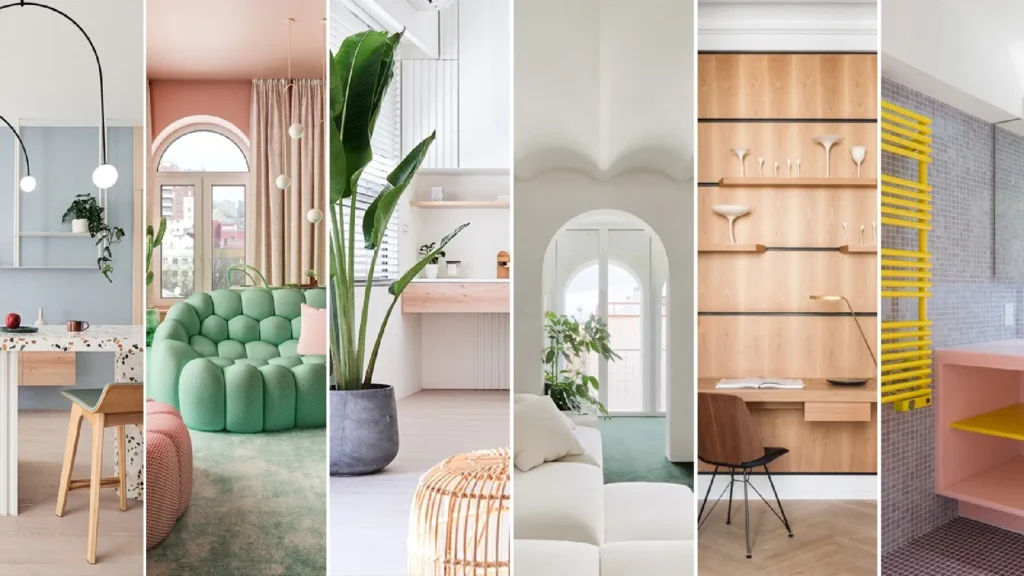
Emerging Trends and Opportunities in Interior Design
The interior design industry is undergoing rapid transformation driven by economic growth, technological advancement, sustainability, and changing lifestyle needs. These shifts are creating new trends while opening diverse opportunities for designers across residential, commercial, and specialised sectors.
Key Trends Shaping the Interior Design Industry
1. Rapid Market Expansion & Economic Growth
The global interior design industry continues to expand strongly, with projections showing the market could reach around US $175 billion by 2030, exhibiting healthy CAGR through the decade. This growth reflects increasing demand for professionally designed residential, hospitality, and commercial spaces as people prioritize comfort and aesthetic value.
2. Sustainability as a Core Design Imperative
Design today is no longer just aesthetic; it’s eco-conscious. Sustainable and green design, including the use of eco-friendly materials, energy-efficient solutions, and reclaimed elements, has become mainstream. This shift births opportunities for designers specializing in sustainable practice, green certification, and environmentally responsible solutions.
3. Technology Integration & Digital Transformation
Interior design workflows are being profoundly reshaped by technology. Tools like 3D modelling, virtual reality (VR)/augmented reality (AR) for immersive client experiences, AI assisted layout generation, and digital visualization platforms are creating new service models and efficiencies in design delivery.
4. Smart Homes & Connected Environments
Smart technologies and IoT systems, from automated lighting and climate control to connected home assistants, are becoming integral to modern interiors. Designers now have opportunities to specialize in smart space planning that seamlessly integrates functionality and user experience.
5. Wellness-Driven Design
Wellness design is gaining traction. Spaces are curated not just for beauty but for health, comfort, and emotional wellbeing, emphasizing natural light, biophilic elements (indoor plants and nature connections), air quality, and calm-inducing environments. This trend opens avenues for “well-being design” specialists.
6. Personalisation & User-Centered Spaces
Clients increasingly demand interiors that reflect individual identity and lifestyle, not generic templates. This personalization, from bespoke furniture to culturally specific motifs positions designers as lifestyle curators.
7. Biophilic & Nature-Inspired Design
Biophilic design, which brings nature indoors through greenery, natural materials, and organic forms, enhances human well-being and sustainability credentials. Its popularity continues to spur new roles and product innovation in interiors.
8. Revival of Nostalgic & Heritage Styles
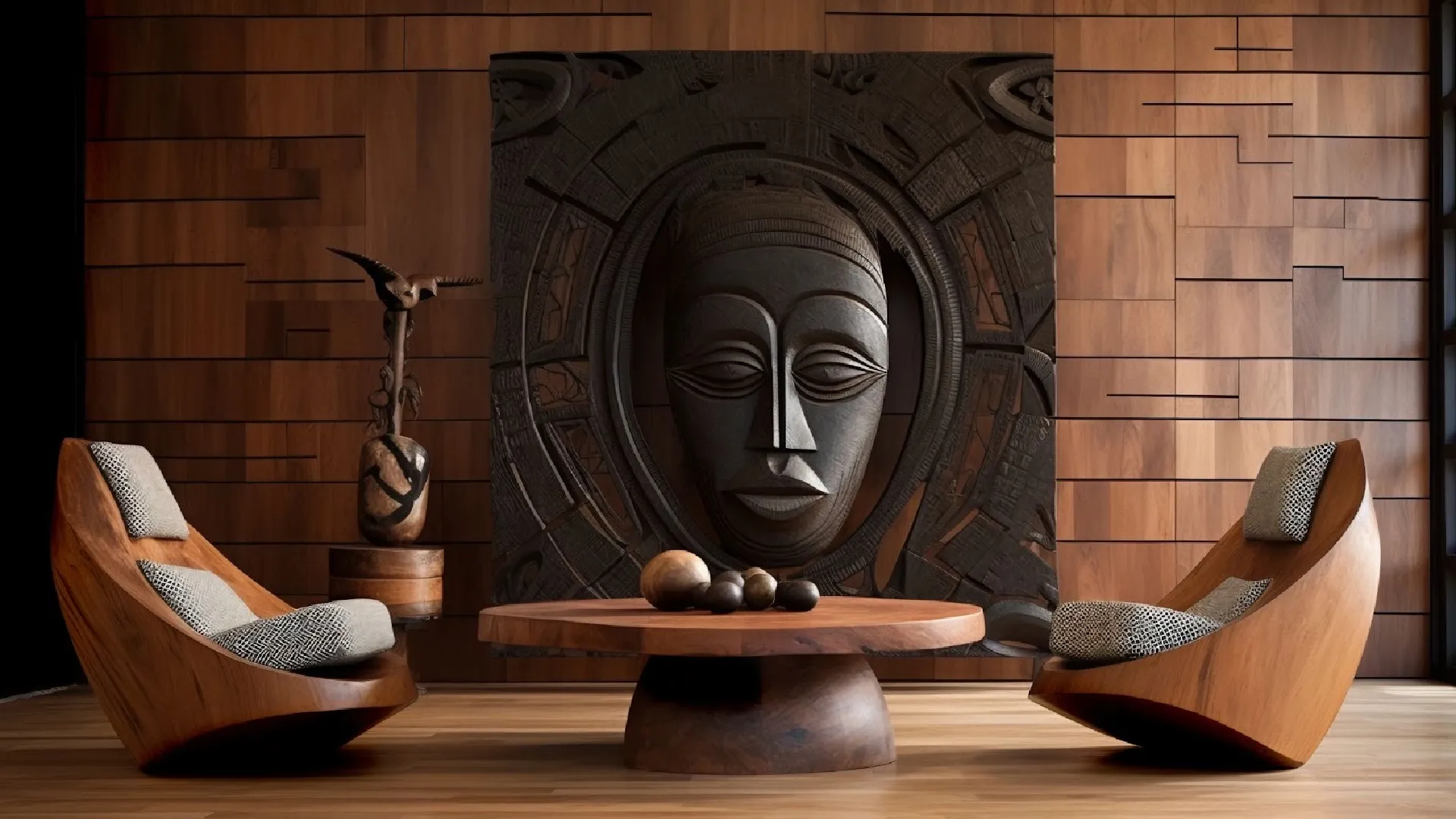
Designers are embracing nostalgic elements and heritage aesthetics, blending old and new. Classic details like wood textures, vintage patterns, and artisanal craftsmanship are resurging as part of emotionally resonant, layered interiors.
9. Textile & Surface Innovation
Material innovation, including rich textiles, organic textures, and expressive wallcoverings, is becoming a defining feature of interiors. Trends spotted at major design shows (e.g., Paris Déco Off) highlight a shift toward intentional, textured, and emotionally evocative surfaces that add depth and personality to spaces.
10. Flexible & Multifunctional Spaces
The evolution of lifestyle, especially remote or hybrid work culture, demands flexible layouts where living, working, and leisure blend. Designers are innovating multifunctional environments that balance utility, comfort, and spatial efficiency.
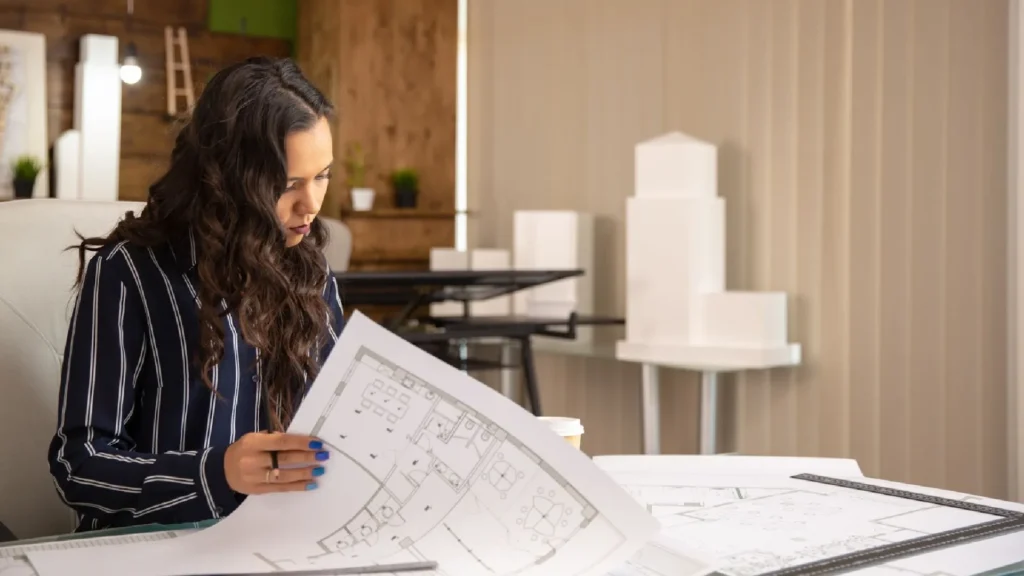
Career Opportunities in the Interior Design Industry
Interior design as a career in the 21st century stands as a vibrant, growing profession that blends creativity, technical skill, and strategic thinking, offering diverse opportunities far beyond traditional home décor. Globally, the interior design market is expanding robustly, with the industry valued at around USD 137.93 billion in 2024 and projected to reach approximately USD 175.74 billion by 2030, reflecting steady demand for specialized design services across residential, commercial, and corporate sectors.
In India, the field is rapidly evolving, with industry reports showing a strong compound annual growth rate and increasing appreciation for professionally designed environments due to urbanization, rising disposable incomes, and a cultural shift toward lifestyle spending.
This growth translates into expanding career opportunities in multiple specializations, from residential and commercial interior design to niche roles like sustainable design consultancy, lighting design, furniture design, and retail or hospitality interiors, providing professionals with the ability to choose paths that align with their strengths and interests.
Employment Outlook and Industry Demand
Employment projections suggest that demand for interior designers will continue into the next decade, with job growth in the United States forecast at around 3–4% through the 2030s, roughly matching overall occupational growth and indicating steady opportunities in traditional design roles as well as emerging fields. Within India, designers are increasingly sought for both urban redevelopment and smart home integration projects, reflecting how career paths now intersect with technology and sustainability trends. Educational pathways into the profession have also become more robust, with diploma, bachelor’s, postgraduate, and specialized certification options enabling aspiring designers to build strong portfolios and practical expertise before entering the industry.
As a result, many professionals enjoy flexible career models, working in firms, joining multidisciplinary teams with architects and project managers, taking on freelance assignments, or even launching their own studios and consultancies, with potential for global careers. The evolving nature of the field also means that designers with skills in digital tools, sustainability, smart technologies, and immersive visualization are particularly well positioned for future growth, making interior design not only a creative and fulfilling profession but also a strategic career choice in a future-ready industry.
Interior design offers diverse career paths across residential, commercial, and global markets.
Start your professional journey with Le Mark Institute’s Interior Design courses.
Future Growth of Interior Design
The future of interior design is promising and constantly evolving. As lifestyles change and technology advances, designers are expected to adapt and innovate.
Some key future trends shaping the industry include:
- 3D modeling and visualization tools for realistic design previews
- Virtual and augmented reality for immersive client presentations
- Green and sustainable interiors driven by environmental awareness
- Specialized niches such as luxury interiors, wellness-focused spaces, and Vastu-compliant design
Interior designers are also finding opportunities to work internationally, collaborate with architects and developers, and contribute to large-scale urban and infrastructure projects. This makes interior design a global career with long-term growth potential.
Key Challenges and Future Trends in Interior Design
Even as the interior design industry experiences strong growth and expanding opportunities, it also faces a range of challenges that shape its future trajectory and require strategic adaptation from professionals, firms, and educators alike. One significant challenge is the competitive nature of the field itself: emerging designers often find it difficult to establish a foothold without strong portfolios, networks, and reputations, and breaking into well-established markets can require sustained effort, networking, and continuous skill development.
The rapid pace of trend evolution adds another layer of complexity, interior design is deeply influenced by fashion, lifestyle shifts, and cultural movements, meaning designers must not only stay current with aesthetics but also anticipate future preferences, including sustainability, wellness-centred environments, and culturally resonant designs. At the same time, regulatory and compliance issues introduce logistical hurdles; interior designers must navigate varied building codes, zoning regulations, safety standards, and accessibility requirements that differ by region and project type, which can complicate project planning and execution and require specialized knowledge or legal consultation.
Technology, Sustainability, and Skill Adaptation Challenges
Another challenge lies in integrating technological advances into practice, tools like virtual and augmented reality, AI-assisted design platforms, and advanced visualisation software are redefining client interaction and workflow efficiency, but mastering these tools requires ongoing investment in training and hardware, which can be a barrier for smaller firms and independent designers. Similarly, sustainability, while widely recognised as essential, demands not only design innovation but also deep understanding of materials, life-cycle impacts, and environmental science, as interior professionals increasingly design for reduced carbon footprint, low-impact materials, and energy-efficient solutions that contribute to healthier environments. Accessibility and equitable design present further challenges: designers must ensure spaces are inclusive for diverse users, integrating universal design principles while balancing aesthetic goals and budget constraints.
In India, rapid urbanisation, rising disposable incomes, and changing lifestyle preferences are expected to propel the industry even faster, with projections indicating the market could reach around US $81.2 billion by 2030. Demand for smart homes, flexible work-from-home integrations, and wellness-oriented interiors will continue to shape project briefs, while the convergence of global design trends with local cultural expressions will drive innovation and broaden the client base.
Takeaway
Interior design is not just a profession, it is a way to shape environments, influence emotions, and create meaningful experiences. It offers a unique blend of creativity, innovation, and career stability, making it an attractive choice for those who want to build something impactful with their skills.
For individuals passionate about design, functionality, and spatial aesthetics, interior design promises not only professional success but also long-term personal growth in an ever-evolving creative industry.
Thinking of turning your creativity into a professional skill?
Want to experience the learning environment before enrolling?
Book your on-campus demo class now.