
Fashion is not just about clothes, it is a powerful way to express ideas, emotions, culture, and individuality through fabric, colours, and silhouettes. For many students, fashion feels exciting because it blends creativity with purpose. When names like Sabyasachi Mukherjee or Manish Malhotra spark curiosity or inspiration, it’s a sign that you see fashion as more than a trend, you see it as a future.
Where Your Fashion Design Journey Truly Begins
It is a slow and creative journey where you learn step by step. Most students, after finishing 12th, begin with joining a fashion design course. This is where they initiate learning the very basics- like different types of fabrics, how colours work together, how clothes are shaped, what styles are trending, and how garments are actually made.
At this point, the students begin to realize gradually that fashion is not only about looking stylish or being on-trend; it is also about using your mind creatively thinking of new ideas, planning out designs properly, and problem-solving when something doesn’t work. These early lessons help students build confidence in their skills.
When you learn the basics well, you feel much more confident. This strong foundation helps you grow into a designer who understands fashion deeply, not surface. Over time, this learning turns your interest into real ability and prepares you for the fashion industry.
A strong beginning makes the journey clearer and more confident.
Experience how fashion design is taught in real classrooms through a demo session
Creating a Portfolio That Shows Your Creative Identity
A portfolio is like your creative diary. It shows who you are as a designer, how you think, and how you turn ideas into designs. When you want to study fashion design or enter the fashion industry, your portfolio becomes more important than marks. It helps others understand your creativity without you saying a word.
Many students worry that their portfolio has to look perfect. That is not true. A good portfolio is not about expensive drawings or professional-level work. It is about honesty, effort, and imagination. Teachers and institutes want to see your interest in fashion and your willingness to learn.
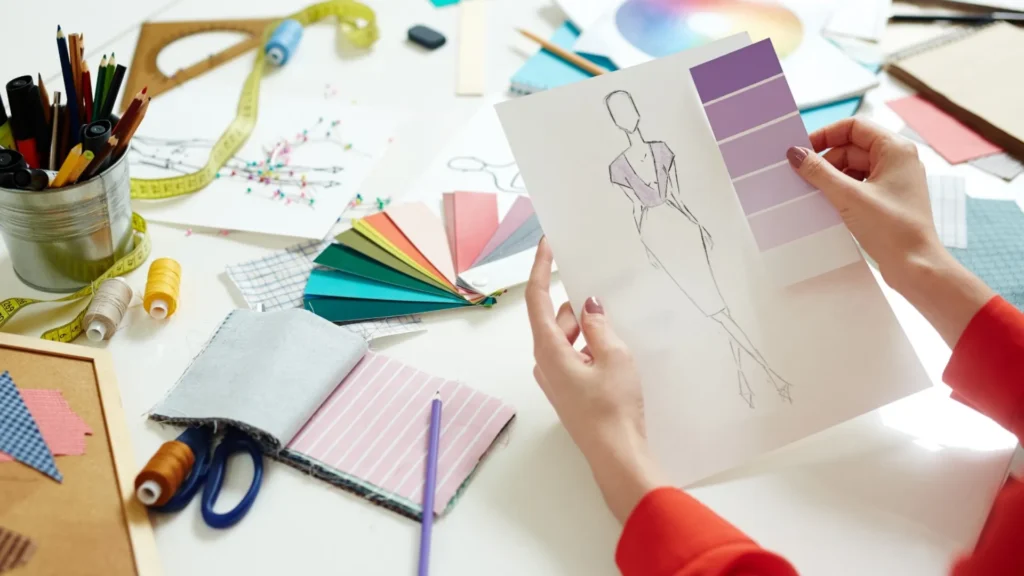
A student portfolio usually includes simple things like:
- Hand sketches or illustrations
These show how you imagine clothes, shapes, and styles. They don’t have to be perfect; even rough sketches show your thinking.
- Colour concepts and mood boards
These explain how you choose colours, themes, and inspiration. For example, you might create designs inspired by nature, festivals, travel, or everyday life.
- Fabric exploration
This shows your understanding of different materials. You may include fabric swatches, texture ideas, or notes about why a fabric suits a design.
- Design ideas inspired by real life
Fashion comes from observation. Your designs could be inspired by people around you, culture, street style, movies, or emotions.
While creating a portfolio, students slowly learn how to organise their thoughts visually. Instead of keeping ideas in their head, they learn how to show them clearly on paper. This process builds confidence and helps students understand their own style.
Top Fashion Design Courses After 12th
Here are the most popular fashion design courses students can pursue right after 12th grade (any stream):
Undergraduate Courses
- Bachelor of Design (B.Des) in Fashion Design (4 years):
Focuses on creativity, technical skills, garment construction, and fashion marketing. - Bachelor of Arts (BA) in Fashion Design (3 years):Combines design theory with fashion illustration and styling.
- Bachelor of Fashion Technology (B.FTech) (4 years):
Focuses more on the technical and production side of fashion. - Bachelor of Science (B.Sc) in Fashion and Apparel Design (3 years):
Emphasizes practical learning and hands-on garment production. - Diploma/Advanced Diploma in Fashion Design (1-2 years):
Great for students who want to start early and learn design fundamentals quickly.
Choosing the right course shapes your entire fashion journey.
Explore our fashion design programs and find the course that fits your creative goals
These courses can help you explore your niche and strengthen specific skills.
Learning Through Internships and Real Industry Exposure
Fashion is not something you can fully learn only from books or classrooms. You truly understand fashion when you experience it in the real world. That is why internships and industry exposure are so important for students who want to build a career in fashion design.
During internships, students get the chance to see how the fashion industry actually works on a daily basis. They learn that fashion is not just about sketching designs, it also involves planning, teamwork, time management, and problem-solving. Students experience real deadlines, where work must be completed on time, just like in professional studios and brands.
Internships also help students understand how teams work in fashion. Designers do not work alone. They work with pattern makers, tailors, stylists, merchandisers, and clients. By observing and participating, students learn how to communicate their ideas clearly and work smoothly with others.
Another important learning comes from handling pressure. In the classroom, mistakes are part of learning, but in the industry, work needs to be accurate and practical. Students learn how to stay calm, make quick decisions, and improve their work without giving up. This builds confidence and maturity.
Career Options in Fashion Design After 12th in India
1. Fashion Designer
Fashion designers may work with brands, boutiques, export houses, or even start their own label over time. This career suits students who enjoy creating, experimenting, and turning ideas into real clothing.
2. Fashion Stylist
Stylists focus on how clothes are worn and presented. They work on photoshoots, fashion shows, social media content, and events. Stylists select outfits, accessories, and looks based on themes and moods. This role is perfect for students who have a strong sense of styling, trends, and visual presentation.
3. Textile Design
Textile designers create fabric designs, textures, and prints that are later used in garments or home décor. This role is ideal for students who like working with colours, surfaces, and materials rather than complete outfits.
4. Fashion Illustration
Fashion illustrators bring design ideas to life through sketches and digital drawings. They work with designers, brands, magazines, and digital platforms to visually communicate fashion concepts.
5. Costume Designer
A costume designer creates outfits for movies, TV shows, web series, theatre, and advertisements. Their job is to design clothes that match the character, story, time period, and emotion of a scene. Costume designers don’t just make clothes look good, they help the audience understand who a character is.
Understanding Salary and Growth in Fashion Design.
| Career Level | Average Monthly Income | What Determines Income | Growth Focus |
| Fresher / Beginner | ₹15,000 – ₹25,000 | Basic design skills, creativity, learning attitude | Learning garment construction, fabrics, trends, and building foundational skills |
| Mid-Level / Skilled Designer | ₹40,000 – ₹80,000 | Experience, portfolio strength, technical expertise | Experimenting with designs, handling projects independently, upgrading skills |
| Established Designer / Specialist | ₹1,00,000+ | Specialisation, personal style, industry recognition | Brand building, niche expertise, leadership, and consistent quality |
Key Skills Needed for Fashion Design
- Creativity & Original Thinking: Fashion design starts with ideas. A designer should be able to imagine new styles, mix colors, and create unique looks. Creativity helps you stand out and express your own style.
- Understanding of Fabrics & Materials: Knowing how different fabrics feel, move, and behave is very important. This helps you choose the right fabric for the right design and make outfits that look and feel good.
- Basic Drawing & Design Skills: You should be able to sketch your ideas on paper. These sketches help you explain your designs clearly to teachers, tailors, or clients; even simple drawings are enough to start.
- Garment Construction Knowledge: Understanding how clothes are made helps you design better. Knowing basic stitching, fitting, and finishing makes your designs more practical and wearable.
- Observation & Attention to Detail: Fashion is all about details, fit, color balance, patterns, and finishing. Good designers notice small things and improve them, which makes their work look professional.
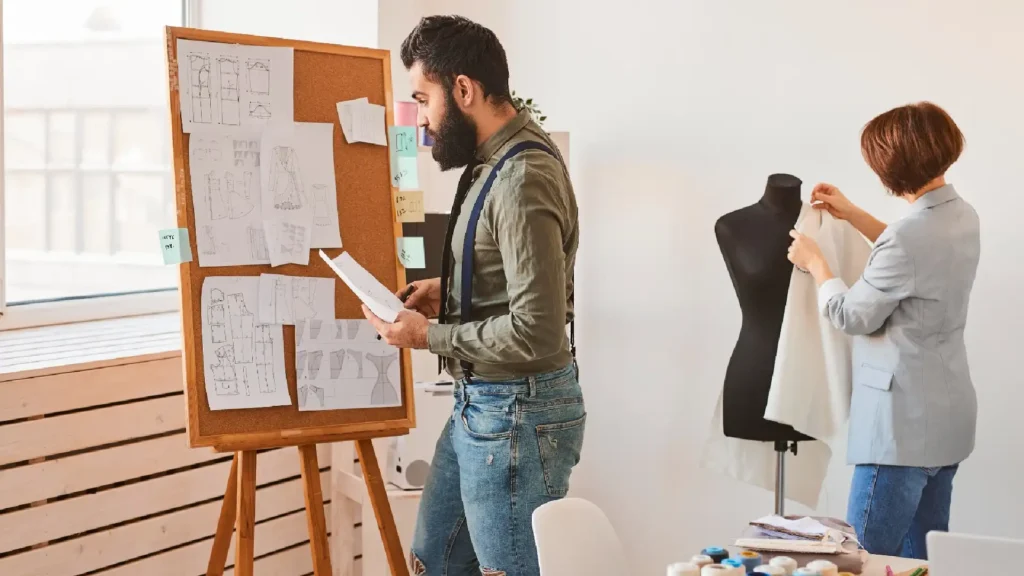
Is Fashion Designing a Good Career in India Today?
Yes, fashion designing is a good career in India for students who are passionate and committed. With the growth of fashion brands, social media, e-commerce, and design awareness, the demand for skilled designers is increasing.
Fashion is not just about glamour, it is about skill, discipline, and consistency. With the right training and guidance, fashion design can become a stable and fulfilling career.
The best way to know is to experience fashion design learning yourself.
Join a demo fashion design class and see if this creative path feels right for you